

Introduction
Sushi has become one of the most popular foods worldwide, known for its unique flavors, textures, and artistic presentation. Masago—the tiny, crunchy fish eggs that add flavor and color to sushi rolls—is one of its many ingredients that frequently piques curiosity. Many sushi lovers wonder.
Is masago healthy?
The answer requires looking beyond its appealing appearance. In this detailed guide, we’ll explore what masago is, its nutritional benefits, possible risks, and how it compares to other roe varieties like smelt roe and capelin fish roe. You’ll know everything there is to know about masago sushi by the end, so you can enjoy it with confidence and balance.
How Does Masago Work?
Before diving into nutrition, let’s answer the basic question:
What is masago?
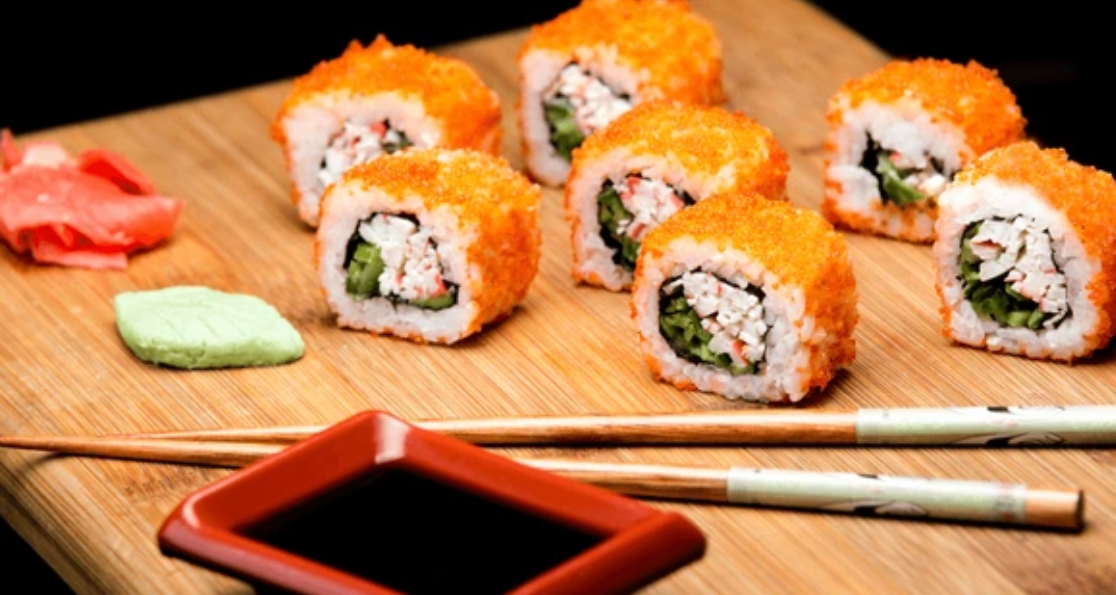
Masago is the roe (eggs) of the capelin fish, a small forage fish that lives primarily in the cold waters of the North Atlantic, Arctic, and Pacific Oceans. These tiny eggs measure less than 1 millimeter, with a crunchy texture and a mildly salty, ocean-like taste. In restaurants, masago is often dyed bright orange, red, green, or even black to make sushi more visually appealing. The roe is a light yellow in its natural state. The term “masago sushi” typically refers to sushi rolls or nigiri that have been topped or filled with these salty fish eggs. If you’ve ever wondered what masago is on sushi, it’s just the garnish or filler that gives each bite a burst of flavor and texture.
Masago and Is Smell Roe the Same as Roe?
The difference between masago and smelt roe adds to the confusion. The terms are sometimes used interchangeably on sushi menus, but there is a technical distinction:
- Masago refers specifically to roe from the capelin fish.
- Smelt Roe: A general term for eggs harvested from different smelt species, including capelin, but not limited to it.
- Smelt Egg: Another way to describe these small fish eggs, often used in Western sushi menus.
So while masago is indeed a type of smelt roe, not all smelt eggs are masago. Still, in most sushi restaurants, when you order masago sushi, you are getting capelin roe.
Why Sushi Uses Masago So Much
There are many reasons why masago is a popular ingredient:
1-Texture
It balances out soft ingredients like avocado or tuna by adding a light crunch to the rolls. Flavor – Mild, slightly salty, and oceanic without being overpowering.
Aesthetic – Bright colors make sushi look more appealing.
2-Affordability
Because it costs less than tobiko (flying fish roe) or ikura (salmon roe), masago is a good option for those on a tight budget. It can be used as a topping, a filling, or even a sauce ingredient.
Masago’s nutritional profile
Now, let’s look at the science behind whether masago sushi is healthy. A typical one-ounce (28-gram) serving of capelin fish roe provides:
- 40–45 calories Protein: 4–5 grams
- 1 to 2 grams of fat Carbohydrates: <1 gram
- 100–200 milligrams of omega-3 fatty acids
- Sodium: 10 to 15 mg
- Micronutrients: Vitamin B12, magnesium, selenium, phosphorus, riboflavin
This indicates that the smelt egg is high in high-quality protein, has a lot of nutrients, and has few calories. Even a small amount of masago can give you valuable nutrients without making you eat a lot more calories. Masago’s benefits for health
1. A Protein-Rich Food
Protein is essential for building and repairing muscles, supporting immunity, and providing lasting energy. Smelt roe has approximately 4–5 grams of protein per small serving, making it an excellent low-calorie source
2. Contains Fatty Acids
Omega-3 Masago provides beneficial omega-3s, which support heart health, brain function, and joint health. Even though capelin fish roe does not contain as much omega-3 as fatty fish like salmon, it still contributes to your daily intake.
3. Packed with Micronutrients
Masago has a lot of vitamin B12, which is important for nerve health and making red blood cells. It also provides selenium, a powerful antioxidant that helps protect your cells.
4. Low in Calories but High in Nutrients
For those watching their weight, masago sushi is a satisfying way to add flavor and texture without piling on calories. Masago is a healthier alternative to fried toppings or heavy sauces.
5. Boosts Immune System Performance
Thanks to its antioxidant content (selenium, riboflavin, vitamin B12), what is masago becomes more than just a garnish—it’s a small immune-boosting powerhouse.
6. Boosts Brain and Nerve Health
The high vitamin B12 and omega-3 content in smelt eggs plays a vital role in brain health. Regular but moderate consumption of masago sushi may support memory, focus, and nerve function.
7. Promotes Healthy Bones and Muscles
Masago contains magnesium and phosphorus, minerals that contribute to strong bones, muscle function, and energy production. Including capelin fish roe in your diet can help support skeletal strength.
Downsides of Eating Masago
There are numerous advantages to masago sushi, but there are also potential disadvantages:
1-High Sodium Contents
Masago is cured in salt, which makes it delicious but sodium-heavy. Excess sodium can increase the risk of high blood pressure.
2-Color in Food
Many restaurants dye smelt roe for visual appeal. Artificial coloring doesn’t add nutrition and may not be ideal for those sensitive to additives.
3-Allergies
Since masago is made from seafood, people who are allergic to fish or shellfish should avoid it.
- Cholesterol Concerns Though not extremely high in cholesterol, frequent consumption of smelt eggs could contribute to cholesterol intake for those on restricted diets.
- Problems with sustainability. Sometimes, capelin populations are overfished. Choosing sushi restaurants that source responsibly can help reduce environmental impact.
Diversify Sushi Choices
Alternate between masago, vegetables, and lean proteins like tuna or salmon.
1. Not Vegan or Vegetarian-Friendly
For those following plant-based diets, masago sushi is not an option. Some restaurants may offer plant-based substitutes, but the authentic capelin fish roe is strictly animal-based.
2. Can Contain Preservatives
Masago may be treated with preservatives in commercial production to extend its shelf life. While generally safe, some people prefer to limit preservative intake when possible.
Masago vs. Other Types of Roe
There may be additional Roe varieties on the sushi menu. Here’s how they compare to capelin fish roe:
1-Tobiko
also known as Roe Fish, slightly larger eggs with, crunchier texture
More expensive than masago
Similar protein, higher fat content,
2-Ikura (Salmon Roe)
Eggs that are bright orange and much larger, Rich in omega-3 fatty acids
More calories and fat than masago
3-Ebiko (Shrimp Roe)
Smaller, less common eggs, Sweet-salty taste
In comparison to smelt roe, it has less protein. Compared to these, masago sushi is more budget-friendly, lower in fat, and still nutritionally valuable.
How to Eat Masago the Healthy Way
To maximize health benefits and reduce risks:
- Enjoy in Moderation – Limit intake to a few tablespoons per meal to control sodium.
- Pair with Vegetables – Combine masago sushi with cucumber, avocado, or seaweed rolls for balance.
- Avoid Excess Sauces – Spicy mayo or eel sauce can double calories.
- Check for Quality – Fresh, responsibly sourced capelin fish roe is best.
FAQs About Masago
Q1: What is masago?
Masago is the roe (eggs) of the capelin fish, used in sushi for flavor, texture, and appearance.
Q2: Is masago the same as smelt roe?
Yes, masago is a type of smelt egg, but specifically from capelin. Not all smelt roe is masago.
Q3: What is masago in sushi?
It’s the colorful topping or filling that adds crunch and flavor to rolls and nigiri.
Q4: Is masago sushi healthy?
Yes, in moderation. It’s low in calories, rich in protein and nutrients, but can be high in sodium.
Q5: How does masago compare to tobiko?
Despite being less expensive, smaller, and less crunchy than tobiko, Masago provides the same nutrients.
Final Verdict: Is Masago Healthy?
So, is masago sushi healthy? The truth is that it can absolutely be part of a balanced diet. It has few calories and a lot of protein, as well as essential omega-3 fatty acids and micronutrients like selenium and vitamin B12. However, moderation is essential because capelin fish roe contains a lot of sodium and is frequently colored with food coloring. Eating smelt roe occasionally as part of a varied diet is the best way to enjoy its benefits without drawbacks.
In short:
- Yes, masago is nutritious.
- However, be mindful of sodium, additives, and portion sizes.
- Select high-quality sushi restaurants for the ultimate dining experience.
So the next time you’re asked what masago is in sushi or wonder whether those crunchy orange eggs are good for you, you can confidently say: Yes, masago is a tasty and healthy addition to sushi—when eaten in moderation.


