
Understanding the Mysterious Blue Finger Condition
Achenbach syndrome represents one of the most perplexing yet benign conditions affecting the hands and fingers. This rare medical phenomenon, characterized by sudden bruising and discoloration of the digits, often leaves patients alarmed despite its harmless nature. Understanding this condition is crucial for proper diagnosis and peace of mind for those experiencing its distinctive symptoms.
Understanding Achenbach Syndrome
Achenbach syndrome, also known as paroxysmal finger hematoma, acute idiopathic blue finger syndrome, or finger apoplexy, is a rare benign condition that causes spontaneous bruising and pain in one or more fingers. First described by German physician Walter Achenbach in 1958, this condition predominantly affects middle-aged women and presents with alarming visual symptoms that often mimic more serious vascular conditions. The syndrome occurs when small blood vessels in the fingers suddenly rupture or become damaged, leading to localized bleeding under the skin. The burst blood vessel on the finger creates the characteristic blue-purple discoloration that gives the condition its distinctive appearance.
The Mystery Behind Blood Vessel Rupture in Fingers
When examining cases of ruptured blood vessels in the finger, Achenbach syndrome stands out due to its spontaneous nature. Unlike traumatic injuries that cause obvious vessel damage, this condition often occurs without any identifiable trigger or preceding injury. The exact mechanism behind why these blood vessels suddenly rupture remains largely unknown, though several theories have emerged. Research suggests that increased local vascular fragility may play a crucial role in the development of Achenbach syndrome. Age-related changes in blood vessel walls, combined with minor everyday activities, may contribute to capillary micro-hemorrhages that manifest as the characteristic bruising. Some patients report symptoms after engaging in routine activities, such as sweeping floors, washing clothes by hand, or applying pressure during cycling.
Recognizing the Symptoms: When Your Finger Vein Bursts in the Finger
The presentation of Achenbach syndrome can be quite dramatic, often causing significant concern for patients who experience a sudden vein burst in the finger. The primary symptoms include:
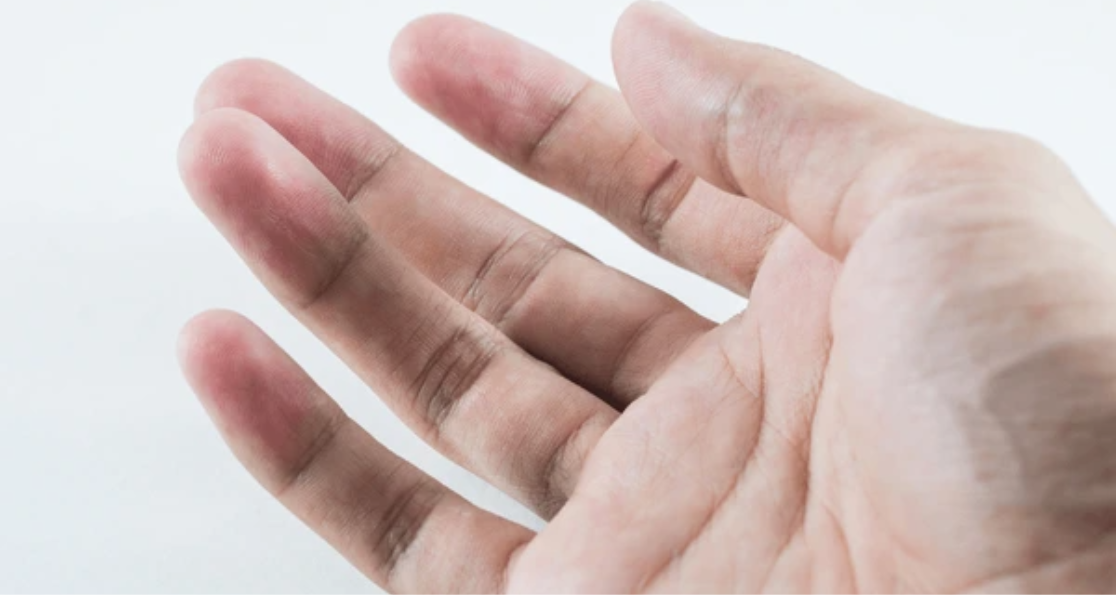
Sudden Onset Discoloration: The most striking feature is the rapid development of blue, purple, or dark red discoloration on the palmar surface of affected fingers. This bruising typically appears within hours and can be quite pronounced.
Pain and Discomfort: Many patients experience varying degrees of pain, ranging from mild discomfort to significant burning sensations. The pain often precedes the visible discoloration and may include tingling, numbness, or burning sensations.
Swelling and Inflammation: The affected finger or fingers may develop noticeable swelling, particularly around the proximal interphalangeal joint creases. This swelling can temporarily limit finger movement and cause stiffness.
Localized Tenderness: The bruised area typically feels tender to touch, and patients may experience difficulty with grip strength or fine motor activities involving the affected digits.
The Phenomenon of Finger Vein Pop
When patients describe their finger vein pop experience, they often report a sudden onset of symptoms that can occur at any time during daily activities. Achenbach Syndrome most commonly affects the second or third finger of the dominant hand, though it can involve any finger. Interestingly, it typically spares the fingertips and nail beds and concentrates bruising on the palmar surface of the proximal phalanges. The visual appearance of a finger vein pop in Achenbach syndrome is quite distinctive. The affected area develops a deep blue-purple coloration that may appear almost black in some cases. This discoloration gradually fades over the course of 2-14 days, transitioning through various color changes as the body reabsorbs the leaked blood.
Understanding Bruised Palm of Hand in Context
While Achenbach syndrome primarily affects individual fingers, some patients may experience more extensive involvement that can present as a bruised palm or hand. This broader distribution of symptoms may occur when multiple fingers are affected simultaneously or when the bleeding extends beyond the typical finger distribution.
When evaluating a bruised palm or hand, it’s important to distinguish between Achenbach syndrome and other conditions that can cause similar symptoms. Hand contusions from direct trauma, vascular disorders, or systemic conditions can all present with palm bruising, but they typically have identifiable triggering factors or associated symptoms that help differentiate them from Achenbach syndrome.
Diagnostic Considerations and Differential Diagnosis
Diagnosing Achenbach syndrome relies primarily on clinical presentation and history, as there are no specific laboratory tests or imaging studies that can confirm the condition. Healthcare providers must carefully exclude other conditions that can cause similar symptoms, including:
Raynaud’s Phenomenon: Unlike Achenbach syndrome, Raynaud’s typically involves color changes triggered by cold exposure and affects multiple digits symmetrically.
Digital Artery Occlusion: This serious condition requires immediate medical attention and typically presents with severe pain, pallor, and compromised circulation.
Blood Clotting Disorders: Patients with underlying coagulopathies may develop spontaneous bruising, but this usually occurs in multiple locations and may be associated with other bleeding symptoms.
Trauma-Related Injuries: Direct injury to the hand or fingers can cause similar bruising, but there’s typically a clear history of trauma.
Treatment and Management Strategies
The management of Achenbach syndrome is primarily supportive, as the condition is self-limiting and resolves spontaneously in most cases. Treatment focuses on symptom relief and patient education:
Conservative Management: Most patients require no specific treatment beyond reassurance and symptom monitoring. The condition typically resolves within 2-14 days without intervention.
Pain Relief: Over-the-counter analgesics such as acetaminophen may help manage discomfort. However, patients should avoid aspirin or other nonsteroidal anti-inflammatory drugs that might interfere with clotting.
Activity Modification: Identifying and avoiding potential triggers, such as repetitive hand activities or excessive grip pressure, may help prevent recurrent episodes.
Supportive Care: Gentle elevation of the affected hand and avoiding extreme temperatures may provide comfort during the acute phase.
Advanced Treatment Considerations
In rare cases where symptoms are severe or recurrent, more aggressive treatment may be considered. Some medical centers have reported success with vasodilatory medications such as synthetic prostacyclin receptor agonists (Iloprost) for severe cases. However, such treatments are typically reserved for exceptional circumstances and should only be considered by specialists familiar with the condition.
Prognosis and Long-Term Outlook
The prognosis for patients with Achenbach syndrome is excellent, with complete resolution expected in virtually all cases. Most episodes resolve within one week, with complete disappearance of discoloration occurring within two weeks. While some patients may experience recurrent episodes months or years apart, there are no long-term complications or permanent damage associated with this condition.
Prevention and Risk Reduction
While the spontaneous nature of Achenbach syndrome makes complete prevention challenging, certain strategies may help reduce the likelihood of recurrent episodes:
Hand Protection: Using protective gloves during manual activities may help reduce mechanical stress on finger blood vessels.
Activity Modification: Avoiding repetitive gripping activities or excessive hand pressure may be beneficial for patients with recurrent episodes.
Temperature Management: Protecting hands from extreme temperature changes may help maintain vascular stability.
When to Seek Medical Attention
Despite its benign nature, patients experiencing sudden finger bruising should seek medical evaluation to ensure proper diagnosis and exclude more serious conditions. Immediate medical attention is warranted if symptoms include severe pain, signs of infection, compromise to finger circulation, or if the bruising fails to improve within several days.
Living with Achenbach Syndrome
For patients diagnosed with Achenbach syndrome, understanding the benign nature of the condition provides significant reassurance. Education about the expected course of symptoms, recognition of potential triggers, and knowledge of when to seek additional medical care empowers patients to manage their condition effectively while maintaining their quality of life.
The rarity of Achenbach syndrome means that many healthcare providers may be unfamiliar with the condition, making patient education and advocacy important components of care. Patients should feel comfortable seeking second opinions if their symptoms are dismissed or if they receive concerning diagnoses without appropriate evaluation.
Conclusion
Achenbach syndrome remains a fascinating example of how the human body can present alarming symptoms that ultimately prove harmless. While the sudden appearance of a blood vessel burst on a finger or a ruptured blood vessel in a finger can be distressing, understanding that these symptoms often represent benign Achenbach syndrome can provide significant peace of mind. The key to managing this condition lies in proper diagnosis, patient education, and supportive care while allowing the body’s natural healing processes to resolve the symptoms spontaneously.