
Main Takeaway
Laser treatment for scars can dramatically improve skin texture and appearance—but understanding preparation, expectations, risks, and costs is essential for a safe, satisfying outcome.
1. Understand How Laser Scar Removal Works
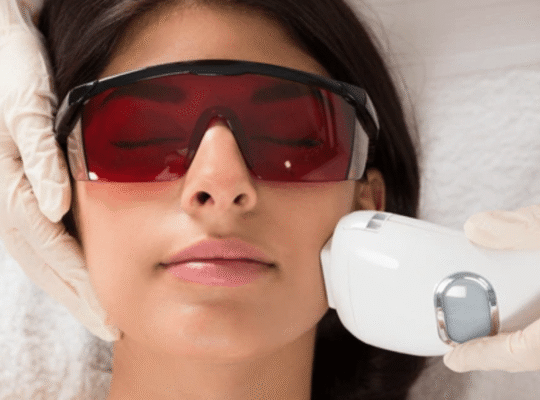
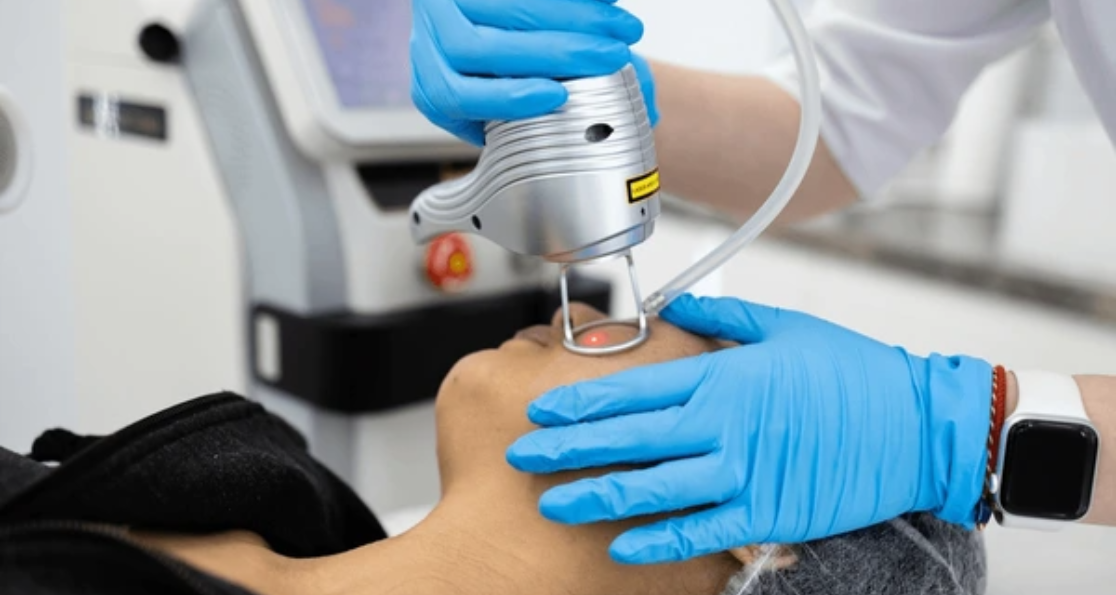
Laser scar removal harnesses focused light energy to stimulate collagen production and gently ablate damaged tissue. Two broad categories exist:
- Ablative lasers remove the top layers of skin, prompting regeneration.
- Non‐ablative lasers heat deeper layers without disrupting the surface.
Discuss laser for scar types with your dermatologist to match your scar’s depth, color, and size.
2. Assess Your Scar Type and Severity
Not all scars respond equally to laser acne mark treatments. Common scar types:
- Atrophic scars (pitted or depressed) are often seen with acne wounds
- Hypertrophic scars (raised and red) or keloids
Ask your dermatologist to remove scars evaluation: they’ll grade your scar severity and recommend whether laser scar removal before and after photos align with your expectations.
3. Review Before and After Results
Seeing real patient photos builds realistic expectations. Search for:
- Laser removal for scars before and after galleries
- Laser treatment for acne scars before and after comparisons
Be wary of over‐photoshopped images; credible clinics often share uncropped, date‐stamped results.
4. Research Clinic Credentials and Equipment
Your safety and outcome hinge on provider expertise and technology:
- Choose a board‐certified dermatologist or plastic surgeon experienced in acne scars and laser procedures.
- Inquire about specific lasers (e.g., fractional CO₂, Er: YAG).
- Verify the clinic’s hygiene protocols, emergency readiness, and patient reviews.
5. Budget for Treatment and Recovery
Cost varies by scar complexity, session count, and location. Typical ranges:
| Treatment Type | Cost per Session (USD) |
| Non‐ablative fractional laser | $300–$800 |
| Ablative fractionated CO₂ laser | $1,200–$3,000 |
| Scar revision combo (laser + injection) | $1,500–$4,000 |
Ask the clinic about removing acne scars, laser cos, and financing options. Factor in downtime for redness and healing.
6. Plan for Multiple Sessions
Most patients need 2–6 sessions spaced 4–8 weeks apart to see significant improvement. When researching, look specifically for:
- Acne scar laser treatment before and after progress across sessions
- “Before” your first appointment and “after” your last to evaluate the full effect.
7. Prepare Your Skin and Schedule
Optimizing skin health minimizes complications:
- Discontinue Retinoids and harsh exfoliants two weeks prior.
- Avoid sun exposure—use SPF 30+ daily.
- Confirm no active infections or eczema near the scar site.
Plan your appointment in a window without major events: redness and swelling can persist 3–7 days post‐treatment.
8. Know What to Expect During and After
During treatment:
- You’ll feel mild heat, tingling, or pinprick sensations.
- Sessions last 15–60 minutes based on treatment area.
Post‐treatment:
- Expect redness, mild swelling, and crusting for ablative lasers.
- Non‐ablative lasers typically cause pinkness for 2–3 days.
- Follow home care: cool compresses, a gentle cleanser, and prescribed ointments.
Results gradually emerge over 1–6 months as collagen remodels.
9. Evaluate Alternative and Complementary Options
While laser scar removal before and after statistics can be impressive, consider adjunct treatments:
- Microneedling boosts collagen with minimal downtime.
- Chemical peels address texture with light to medium depth acids.
- Injectables (e.g., fillers for depressed scars).
Combining modalities often yields superior outcomes, so discuss a tailored plan combining laser and other therapies.
10. Locate Reputable Clinics Near You
Searching for skin laser treatment near me or laser skin treatment near me, shortlist practices that:
- Display clear laser removal for scars before and after portfolios
- Offer transparent pricing and consultation policies
- Hold strong patient satisfaction ratings and EEAT credentials (expertise, authoritativeness, trustworthiness)
Contact each clinic for an in‐person assessment to confirm you’re comfortable with the staff and the proposed plan.
Bonus Tip: Insurance and Financing
Most cosmetic laser procedures aren’t covered by insurance. However, if your scar is functionally impairing (e.g., contracture from burns), you may qualify for coverage. Always:
- Obtain a pre‐treatment estimate.
- Explore healthcare credit lines or in‐house financing.
Conclusion
Laser treatment for scars can provide transformative, long-lasting improvements in skin texture and confidence. By thoroughly researching scar type, laser modalities, provider expertise, cost, and recovery, you set realistic expectations and optimize results. Preparation, patience, and partnering with a qualified dermatologist are the keys to achieving the best “before and after” outcome for your scar.