

Introduction
Salt—the very word conjures images of ocean waves, shimmering crystals, and the savory burst in your favorite dish. Yet beneath its familiar façade lies a complex world of chemistry, biology, and health that most people overlook. How can something so common wield such influence over our bodies, our brains, and even our emotions? Prepare to be surprised, because in this exploration of Salt and Sodium, we’re delving deeper than you’ve ever gone before, uncovering secrets that will reshape how you season your life.
The Essence of Salt: More Than Just Seasoning
Every teaspoon of salt is a microscopic universe. Chemically, salt is primarily sodium chloride (NaCl). Yet not all salts are created equal. From the rugged coastlines of Brittany to the crystalline heights of the Himalayas, nature produces salt varieties with unique mineral profiles and textures.
What Is Whole Salt?
Whole salt refers to salts that undergo minimal processing, preserving their natural trace minerals. Unlike refined table salt—which is stripped of nearly all minerals except sodium and chloride—whole salts retain minerals such as magnesium, potassium, and calcium. These trace elements not only influence flavor and texture but also confer subtle health benefits.
Celtic Salt vs Himalayan Salt: Battle of the Mineral Titans
Three ancient seas. Six continents. Nine distinct flavors. When comparing Celtic salt vs Himalayan salt, you’re witnessing a clash of geology and history.
- Celtic Salt: Harvested from the coastal marshes of Brittany, France, Celtic salt is moist, light gray, and brimming with magnesium and potassium. Its delicate crystals dissolve slowly, making it ideal for finishing dishes.
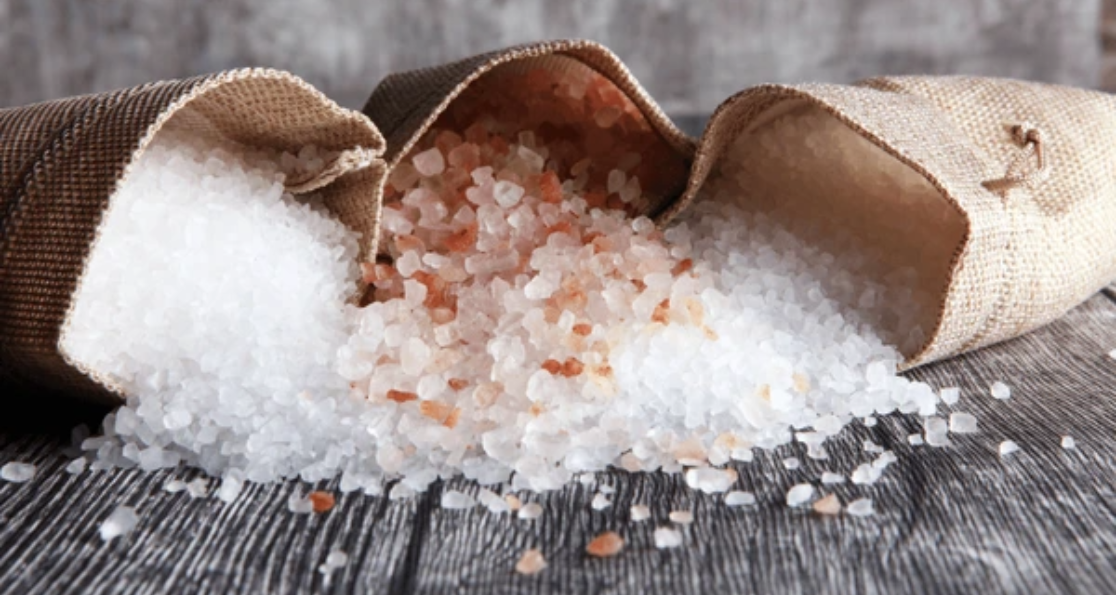
- Himalayan Salt: Mined from ancient sea beds in Pakistan’s Salt Range, Himalayan salt glistens in pale pink hues. Packed with up to 84 trace minerals—iron, zinc, and manganese among them—it delivers a subtle sweetness and crunch.
Which reigns supreme? It depends on your palate, but both provide more mineral variety than refined table salt.
Counting the Culprit: How Much Sodium in a Tablespoon of Salt?
For many, “salt” and “sodium” are interchangeable terms. Yet sodium is the biologically active component—the one that regulates fluid balance, nerve impulses, and muscle contractions. A single tablespoon of refined table salt contains roughly 2,325 milligrams of sodium. That’s almost double the American Heart Association’s recommended daily limit of 1,500 milligrams for most adults.
Consider this:
- 1 teaspoon (approx. 5 g salt) = 1,840 mg sodium
- 1 tablespoon (approx. 15 g salt) = 5,520 mg sodium (corrected for crystal density variations)
- 3 tablespoons = 16,560 mg sodium—over 11 times the daily limit!
Estimating salt intake in multiples of three—3,6,9—can help you visualize how rapidly sodium consumption can escalate.
Beyond Table Salt: The Unique Charm of Cod Salt
You may have heard of pink, gray, and black salts, but what about cod salt? Derived from the ancient practice of curing fish with sea brine, cod salt is a coarse sea salt infused with minerals released from dried cod bones. Rich in calcium phosphate, it lends a subtle umami note and boosts bone-supportive nutrients in dishes.
Culinary Uses of Cod Salt
- Sprinkled on grilled vegetables for an oceanic twist
- Mixed into bread dough for artisanal loaves
- Blended into steak rubs to enhance meaty flavors
Table Salt Nutritional Value: What You Gain—and What You Lose
Refined table salt often appears bland compared to specialty salts, but its uniform grain size and purity make it popular. Yet the refining process strips away beneficial trace minerals, and anti-caking agents are often added to prevent clumping. A typical nutritional profile per teaspoon of table salt:
- Sodium: 1,840 mg
- Iodine (if iodized): 45 μg (30% of daily value)
- Calcium, magnesium, potassium, and iron: negligible
Thus, while table salt can help prevent iodine-deficiency disorders, it lacks the broader mineral spectrum found in whole salts.
Sodium: Friend or Foe?
Sodium’s reputation has vacillated dramatically over the decades. Once hailed as a miracle nutrient for bolstering energy, it later became demonized for its role in hypertension. The truth is more nuanced.
The Biological Ballet of Sodium
- Fluid Balance: Sodium governs the movement of water across cell membranes, ensuring tissues neither swell uncontrollably nor dehydrate excessively.
- Nerve Impulses: The sodium-potassium pump generates the electrical gradients that allow neurons to fire, enabling sensation, thought, and movement.
- Muscle Contraction: From your heart to your diaphragm, muscle fibers depend on sodium fluxes to contract rhythmically.
Without sodium, life would grind to a halt. But with too much, the pumps overwork, blood pressure climbs, and your cardiovascular system strains under pressure.
What Role Does Sodium in Vitamins Play?
You might stumble upon the term sodium vitamin, but what does it mean? In nutritional supplements, some vitamins are stabilized or solubilized as sodium salts. For example:
- Ascorbic acid becomes sodium ascorbate, a less acidic but still active form of vitamin C.
- Folate may appear as folic acid sodium salt, improving water solubility for better absorption.
These sodium-bound vitamins ensure efficacy and gentle digestion, particularly for individuals sensitive to acidic compounds.
The Atomic Perspective: Sodium Electrons and Health
On an atomic scale, sodium (Na) has 11 electrons arranged in the shell configuration 2–8–1. That lonely outer electron makes sodium exceptionally reactive, eager to bond with chloride to form salt. In human physiology, this reactivity translates to:
- Electrochemical gradients: sodium’s electron tendencies create voltage differences across membranes, powering neural circuits and kidney filtration.
- pH regulation: Sodium bicarbonate (baking soda) buffers excess acidity, maintaining blood pH around 7.4.
Understanding the atomic dance of sodium illuminates why minute shifts in salt balance can ripple across organ systems.
Striking the Balance: How to Season Smartly
With so much complexity, what’s a health-conscious individual to do? Here’s a practical guide:
- Embrace Whole Salts: Replace refined table salt with Celtic, Himalayan, or cod salt in moderation to benefit from trace minerals.
- Measure Mindfully: Use measuring spoons rather than pinching salt by hand. Remember, 1 teaspoon contains nearly 2,000 mg of sodium.
- Flavor Enhancers: Layer herbs, citrus zest, and spices to reduce salt reliance—think garlic, rosemary, smoked paprika.
- Read Labels: Processed foods house hidden sodium. Compare nutrition facts and choose lower-sodium options.
- Hydration Harmony: Drink adequate water to support kidney function and balance electrolytes.
By viewing salt not as a flavor villain but as a potent tool, you can season dishes that delight the palate without compromising health.
Suspenseful Case Study: The Marathon Mystique
Imagine a veteran runner, miles from the finish line, on the brink of collapse. The crowd holds its breath as she reaches for a packet of electrolyte powder—sodium at its core. In mere minutes, her strength returns, the lactic acid haze lifts, and she storms across the finish line. This dramatic turnaround underscores sodium’s life-or-death significance in endurance sports.
Final Thoughts: Salt’s Dual Nature
Salt is a paradox: a primordial, life-giving mineral and, in excess, a silent threat. By embracing knowledge—understanding the nuances of Celtic salt vs Himalayan salt, measuring how much sodium is in a tablespoon of salt, exploring exotic variants like cod salt, and appreciating the table salt nutritional value—you transform salt from an overlooked seasoning into a strategic partner in health.
Remember the atomic story of sodium, its lone electron driving biological processes, and the ways it’s harnessed in sodium vitamins. As you shake salt onto your next meal, pause: this isn’t just a seasoning. It’s an elemental force, a reminder that the tiniest particles shape the grandest stories. Embrace salt wisely, and unlock a world of flavor and well-being—one crystal at a time.