

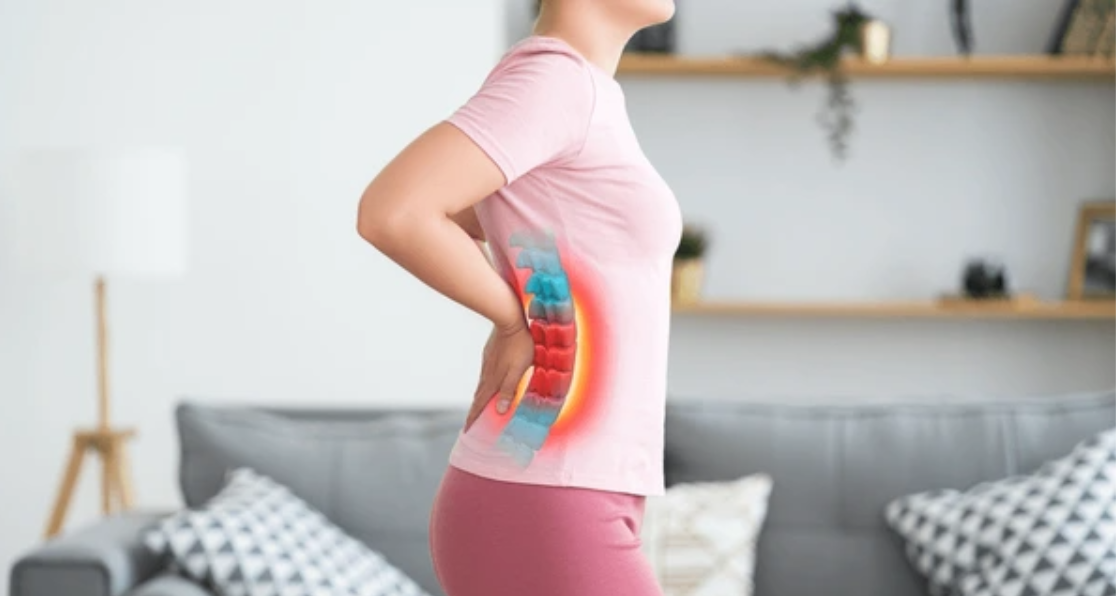
Introduction: Why Vertebral Fractures Matter to Your Health
Vertebral fractures—breaks in the spine bones that support your body—are becoming an increasingly serious public health concern worldwide. According to comprehensive research analyzing data from 1990 to 2021, millions of people suffer from these injuries annually, with projections showing continued challenges through 2035. Whether you’re concerned about bone health, aging parents, or simply want to understand this growing health issue, this guide provides everything you need to know about vertebral fractures, their impact on population health, and prevention strategies across the globe.
What Are Vertebral Fractures?
Vertebral fractures occur when one or more bones in your spine break or rupture. Your spine consists of cervical (neck), thoracic (mid-back), lumbar (lower back), sacral, and coccygeal vertebrae, and fractures can happen in any of these regions.
Common causes include
Trauma from motor vehicle accidents, falls from heights, or sports injuries is are typical high-energy cause. However, bone fragility diseases like osteoporosis cause fractures from minimal trauma—sometimes even from coughing or sneezing in severe cases.
Types of vertebral fractures
Compression fractures occur when vertebrae collapse from pressure. Burst fractures happen when a vertebra shatters from extreme force. Chance fractures result from flexion and distraction injuries, commonly seen in high-impact accidents. Understanding the cause of your vertebral fracture is essential because treatment approaches vary significantly based on fracture type and severity.
The Global Burden: Shocking Statistics from 1990 to 2021
Research using the Global Burden of Disease (GBD) 2021 database reveals a sobering picture of vertebral fracture epidemiology worldwide.
In 2021, globally
7.5 million new vertebral fractures were diagnosed
5.4 million people lived with existing vertebral fractures
Nearly 546,000 years were lost to disability from these injuries
Comparing 1990 to 2021
The absolute numbers increased dramatically—incident cases rose by 28%, prevalent cases by 58%, and years lived with disability by 55%. However, age-standardized rates actually declined by approximately 0.72% annually, primarily due to global population increases rather than improved prevention. This paradox suggests that while the percentage of people developing vertebral fractures per population decreased, the sheer number of cases grew because the global population expanded significantly. The global population reached 7.8 billion in 2021, an increase of 47.2% compared with 1990.
Understanding Vertebral Fractures as a Global Health Crisis
Vertebral fracture burden extends far beyond simple statistics. In the United States alone, the total surgical cost for treating vertebral fractures reached 1.06 billion US dollars in 2014. From 2017 to 2020, 5.2 million Americans aged 50 and above experienced vertebral fractures. In 2019, the global incidence of vertebral fractures was 8.6 million, representing a 38% increase from 1990.
Medical costs illustrate the economic impact worldwide
Vertebral fracture treatment expenses continue rising annually. Projections indicate that global vertebral fracture cases could face significant increases through 2050, with associated costs reaching billions of dollars—a staggering burden on healthcare systems and families across the world.
The Aging Population: Understanding Global Demographic Shifts
The primary driver of rising vertebral fracture burden globally is rapid population aging. Aging populations are accelerating across developed nations in North America, Europe, and Asia, as well as emerging in developing regions.
Global aging trends reveal an accelerating shift.
By 2050, the global population aged 65+ is projected to reach 1.5 billion people.
Developed nations are experiencing the fastest aging rate.s
Many developing nations are entering a rapid aging phase.s
The oldest-old population (80+ years) is growing faster than any other age group. up
Societies worldwide are witnessing a demographic transition toward older populations.
Elderly individuals face dramatically increased vertebral fracture risk because osteoporosis—a condition causing bone density loss—becomes increasingly common with age. Even minor falls or daily activities can cause fractures in people with severe osteoporosis. Research shows the mortality rate among patients with vertebral fractures is significantly higher than that of the general population.
Key Drivers of Vertebral Fracture Burden
Researchers have identified three primary factors driving vertebral fracture increases: aging, population growth, and epidemiological changes. Understanding these drivers helps explain why different regions face different challenges.
Globally
Population growth contributed 159% to increased incidence rates (exceeding 100% because other factors offset some growth). Epidemiological improvements actually reduced disease rates, but population expansion overwhelmed these gains. This means that while prevention efforts have improved disease rates per capita, the sheer growth in population numbers has driven absolute case counts higher.
Regional variations
Different regions experience different combinations of these factors. Some developed nations experiencing stable or declining populations face aging as the dominant driver. Developing nations with younger populations may experience more balanced contributions from population growth and aging. Epidemiological changes—including improved diagnostics, changing lifestyles, and occupational patterns—vary significantly by region and development level.
Gender Differences: Why Men and Women Face Different Risks
Research reveals striking gender differences that vary by age group across all populations studied.
Middle-aged individuals (roughly ages 40-65)
Men experience a higher vertebral fracture burden than women globally. Occupational factors play a significant role—men more frequently work in high-risk jobs like construction, manufacturing, and mining, where falls from heights and traumatic injuries occur. Additionally, men engage in higher-risk recreational activities and behaviors; smoking and excessive alcohol consumption—more common in men—directly damage bone quality and increase fracture risk.
Elderly individuals (65+ years)
Women experience significantly higher vertebral fracture burden than men across most populations studied. Multiple comprehensive epidemiological surveys worldwide have found that among people aged 50+ with vertebral fractures, women comprise 60-70% of cases while men account for 30-40%.
Several factors explain this reversal. Menopause triggers a dramatic estrogen decline, accelerating bone loss through mechanisms involving osteoclast overactivation and enhanced bone resorption. Women’s longer life expectancy means more years living with osteoporosis. Statistics show osteoporosis cases in elderly women are approximately six times higher than in men, directly translating to higher fracture risk.
Age-Related Trends: Vertebral Fractures Across the Lifespan
Age profoundly influences vertebral fracture patterns worldwide. Research tracking trends from 1990 to 2021 shows that age groups experiencing the highest vertebral fracture burden have shifted dramatically toward older populations.
The age group experiencing the highest number of new vertebral fractures
Has shifted from young adults toward middle-aged and older populations. Similarly, the age group with the highest prevalence and disability has shifted upward by 25-30 years over this three-decade period. In elderly populations (ages 75+), prevalence rates and disability rates in 2021 were significantly higher than in 1990, indicating an accelerating disease burden with advancing age. Importantly, crude incidence rates, prevalence rates, and disability rates all increased with age, meaning older age groups consistently experienced higher disease burden. The oldest age groups (95+) experienced the highest rates across all metrics studied.
Forecasting the Future: Projections Through 2035
Using Bayesian age-period-cohort modeling, researchers predicted vertebral fracture trends from 2022 to 2035 based on historical patterns and demographic projections.
Global projections for 2035
- Age-standardized incidence rate: 77.62 per 100,000
- Age-standardized prevalence rate: 56.41 per 100,000
- Age-standardized disability rate: 5.7 per 100,000
Males show higher rates than females across all metrics. Overall, downward trends are predicted globally in age-standardized rates. However, absolute case numbers are expected to continue rising due to ongoing population growth and aging.
What this means
Although age-standardized rates are projected to decline, the burden on healthcare systems will likely increase due to demographic changes. Regions with rapid aging will experience particularly acute challenges. Healthcare infrastructure, osteoporosis treatment capacity, and fracture management services will face increasing demand.
Prevention and Management Strategies
Given the projected continued burden, prevention and early management are critical components of addressing vertebral fracture disease burden globally.
- Exercise programs combining balance, functional, and resistance training effectively reduce falls in elderly populations. Countries implementing structured fall prevention strategies documented decreased fall incidence and re-fall probability across diverse populations.
- Fracture Liaison Services (FLS) coordinate care after fracture diagnosis, ensuring appropriate osteoporosis treatment and follow-up to prevent subsequent fractures. International evidence shows that without proper management, 25-30% of patients experience vertebral fractures within four years. Organized FLS programs have reduced second fracture rates by up to 99% in some healthcare systems.
- Systematic osteoporosis treatment remains underutilized globally; international surveys show that only 60-70% of fracture patients receive osteoporosis treatment post-fracture. Bisphosphonates remain first-line therapy worldwide, though newer agents like teriparatide and denosumab show superior efficacy but face cost barriers in many countries.
- Public awareness through television, radio, social media, and targeted health education about osteoporosis prevention and vertebral fracture risks is essential. Healthcare professionals’ continuing education, ensuring knowledge of the latest diagnostic and therapeutic advances, improves outcomes across healthcare systems. Successful campaigns in developed nations demonstrate the effectiveness of public health messaging about bone health.
Conclusion: Taking Action Against Vertebral Fractures
Vertebral fractures represent a significant and growing public health challenge requiring urgent attention across all nations, particularly in aging societies worldwide. The disease burden’s trajectory through 2035 demands proactive intervention targeting high-risk populations—specifically, middle-aged men and elderly women. This pattern is consistent across developed and developing nations. Effective strategies must integrate multidisciplinary approaches, including orthopedics, endocrinology, geriatrics, and rehabilitation. Public health policies should emphasize osteoporosis prevention, fall risk reduction, and early fracture intervention. By understanding these global trends and acting now, societies can substantially reduce vertebral fracture burden and improve the quality of life for millions facing spinal health challenges around the world.