

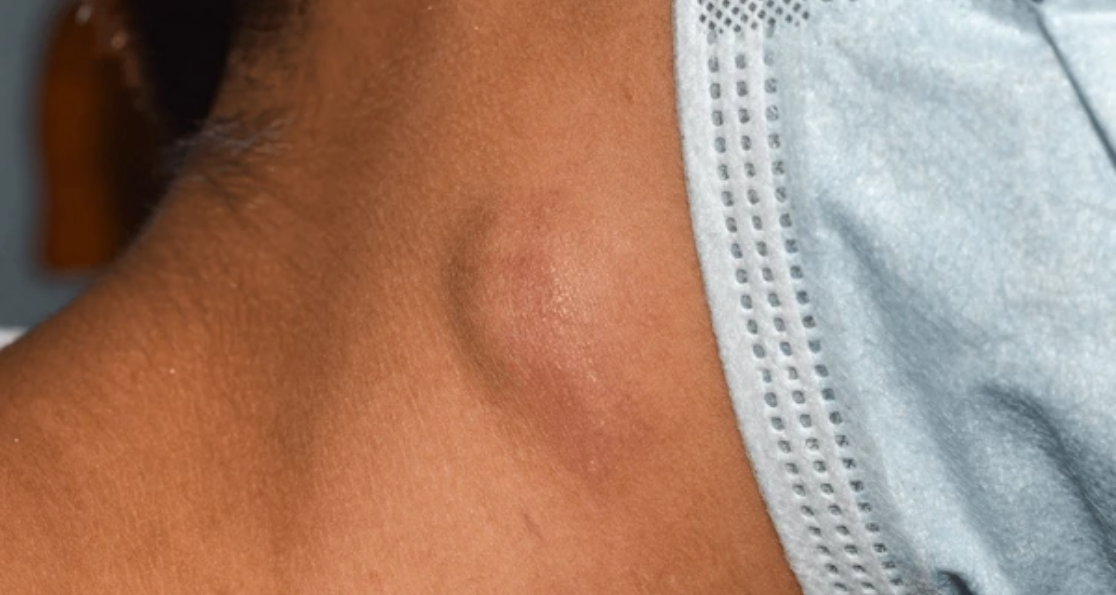
Understanding Neck Lumps: What They Are
A neck lump is any abnormal growth or swelling that appears in the neck region. These lumps can vary significantly in size, texture, and location. Some people notice a small bulging neck on one side, while others may develop swelling in multiple areas. Understanding the anatomy of your neck is the first step toward understanding what might be wrong.
Structures That Can Develop Lumps
Your neck contains numerous structures that can develop lumps, including lymph nodes, thyroid tissue, salivary glands, blood vessels, nerves, muscles, and tendons. Each of these components can potentially enlarge or develop growths. The tendons in the back of the neck provide structural support and can sometimes become inflamed, creating palpable bulges. These anatomical features help explain why soft neck tissue can present in various ways.
Common Causes of Neck Lumps
Swollen Lymph Nodes: The Most Frequent Culprit
Swollen lymph nodes represent the most common cause of neck lumps. Your lymph nodes are small, bean-shaped structures that contain immune cells designed to filter harmful substances from your body. When you develop an infection—whether viral or bacterial—these nodes can enlarge significantly as they work to combat the threat.
Can allergies cause swollen lymph nodes in the neck?
Yes, they can. Allergic reactions trigger your immune system to release histamine and other chemicals that cause inflammation throughout your body. This inflammatory response can lead to swollen lymph nodes in the neck, particularly when combined with a secondary infection like sinusitis. The swelling typically occurs on both sides of your neck or under your jawline.
Infections and Inflammation
Various infections can trigger a neck lump. Bacterial throat infections like strep throat commonly cause bulging neck swelling. Viral infections such as mononucleosis, the common cold, and influenza also frequently result in enlarged lymph nodes. These infection-related lumps are usually temporary, resolving within two to three weeks as your body fights off the infection.
Can smoking cause swollen lymph nodes in the neck?
Research definitively shows that smoking damages your immune system and increases susceptibility to infections. Smoking causes swollen lymph nodes through multiple mechanisms: tobacco smoke irritates the respiratory tissue, weakens immune defenses, and increases your vulnerability to infections that cause lymph node enlargement. Heavy smokers often experience chronic lymph node swelling, particularly in the chest and neck regions. This is one compelling reason to consider smoking cessation.
Thyroid Nodules and Cysts
Thyroid nodules are extremely common, particularly as people age. These can be solid growths or fluid-filled cysts. The good news is that approximately 90% of thyroid nodules are completely benign. Many people live their entire lives without knowing they have thyroid nodules because they cause no symptoms or problems. Thyroid cysts are particularly reassuring—less than 5% turn out to be cancerous.
Non-Cancerous Neck Lumps: Benign Growths
Lipomas and Fibromas
Lipomas are soft, fatty lumps that develop beneath the skin. They’re painless, slow-growing, and completely harmless. These lumps move freely under the skin when you press them, and they rarely require treatment unless they cause cosmetic concerns or become irritated. Fibromas are similar growths composed of fibrous tissue rather than fat, and they’re equally benign.
Cysts and Other Fluid-Filled Masses
Epidermoid cysts and sebaceous cysts are common non-cancerous tumors in the skin. These fluid-filled sacs develop from blocked glands or damaged hair follicles. They’re typically painless unless they become infected or irritated. A movable lump in jaw jawbone for years is often a benign cyst that requires no treatment unless it causes functional problems.
Muscle Strain and Injury
Neck muscles can become strained from poor posture, repetitive movements, or direct injury. This strain creates swelling that can feel like a lump under the skin. Rest, proper posture correction, and gentle stretching typically resolve these issues within several days to weeks.
Skin Conditions Related to Neck Lumps
Understanding Acne on the Lymph Nodes Neck Area
Severe acne in the neck region, particularly along the jawline and chin, can sometimes involve lymph node inflammation. Acne on the lymph nodes neck occurs when deep cystic acne becomes severely inflamed. This type of acne involves bacteria (Cutibacterium acnes) penetrating deep skin layers, triggering an immune response that can cause lymph node swelling. This condition differs from typical superficial acne and often indicates hormonal imbalances or other underlying issues.
Hormonal fluctuations, stress, and poor diet are the primary acne on the lymph nodes neck. Women may experience this during their menstrual cycle, while polycystic ovary syndrome (PCOS) commonly causes persistent jawline acne on lymph nodes and neck breakouts. Maintaining excellent skin hygiene, managing stress, and consulting a dermatologist about hormonal treatments can help address this issue.
Front Neck Symptoms: When to Pay Attention
Front of Neck Sore: Identifying the Cause
When you experience a front of your neck, several conditions might be responsible. The most common cause is a sore throat resulting from viral or bacterial infections. Strep throat causes particularly severe front-of-neck sore pain, often accompanied by difficulty swallowing, fever, and swollen tonsils.
Front of neck sore can also result from:
- Thyroid inflammation or enlargement
- Lymph node swelling
- Muscle strain from poor posture
- Acid reflux irritates the esophagus
- Dental problems
- Allergic reactions
If you experience persistent front-of-neck pain lasting more than two weeks, accompanied by difficulty swallowing, breathing problems, or other concerning symptoms, seek professional medical evaluation.
Understanding Neck Anatomy: Tendons and Structures
Tendons in the Back of the Neck
The tendons in the back of the neck provide crucial support for your head and enable neck movement. These structures, along with tendons in the back of neck muscles, can become strained, inflamed, or develop adhesions that create palpable lumps or bumps. Tension headaches, poor ergonomics, and muscle overuse commonly affect tendons in the back of the neck, potentially causing discomfort and visible swelling. Physical therapy, proper ergonomic positioning, stretching, and stress management typically resolve tendons in the back of the neck. However, persistent pain or swelling warrants professional evaluation to rule out more serious underlying conditions.
Benign Lump on Jaw Bone: Long-Term Presentation
A movable lump in jaw jawbone for years is typically nothing to worry about. Many people discover benign lumps that remain stable for decades without causing any health problems. These movable lumps on jaw jawbone for years have grown:
- Lipomas or fibromas
- Stable lymph nodes
- Retained tooth structures
- Benign cysts
- Muscle abnormalities
What makes these movable lumps on jaw jawbone for years reassuring is their stability. If a lump doesn’t grow, doesn’t hurt, and hasn’t changed in years, it’s almost certainly benign. However, any change in size, texture, or associated symptoms warrants professional evaluation.
Understanding Bulging Neck and Swelling
What Creates a Bulging Neck?
A bulging neck can result from various causes. Thyroid enlargement (goiter) is a common reason for a bulging neck appearance. Lymph node swelling, fat deposits, or muscle hypertrophy can also create a bulging neck appearance. Sometimes, bulging neck swelling is temporary, related to acute infections, while other causes are chronic.
Red Flags: When to Seek Medical Attention
While most neck lumps are benign, certain warning signs warrant prompt medical evaluation:
- Seek immediate care if your neck lump grows rapidly over days or weeks, becomes hard and fixed in place, causes difficulty swallowing or breathing, is associated with persistent fever or night sweats, causes unexplained weight loss, produces discharge or becomes infected, lasts longer than two to three weeks, causes severe pain, or appears alongside other unexplained symptoms.
Diagnostic Approaches
Medical professionals use several techniques to evaluate neck lumps. A thorough physical examination is always the first step.
- Your doctor will assess the lump’s size, location, texture, and whether it moves freely. They’ll ask about associated symptoms, infection history, and risk factors.
- Imaging studies like ultrasound, CT scans, or MRI may be recommended for lumps that seem suspicious or persist without explanation.
- Fine needle aspiration biopsy is sometimes performed to analyze cells from the lump directly. Blood tests might help identify infections or thyroid dysfunction.
Treatment Options
- Treatment depends entirely on the underlying cause. Many benign lumps require no treatment beyond observation. Your doctor might recommend periodic imaging to confirm stability.
- Infection-related lumps typically resolve with appropriate antibiotics or antiviral medications. Thyroid nodules often need only monitoring with regular ultrasounds. Symptomatic or cosmetically concerning benign tumors can be surgically removed if desired.
Prevention and Self-Care
While you can’t prevent all neck lumps, you can minimize infection risk through practicing excellent oral hygiene, getting vaccinated against preventable infections, avoiding smoking and secondhand smoke, managing stress effectively, maintaining a healthy diet, staying hydrated, getting adequate sleep, practicing good posture, and managing allergies appropriately.
Living with Neck Lumps: When It’s Benign
If your healthcare provider confirms your neck lump is benign, you can typically relax. Most benign lumps remain stable indefinitely. Monitor for any changes and report new symptoms to your healthcare team. Many people live their entire lives with benign neck lumps they never even knew existed. Modern imaging has revealed that thyroid nodules are incredibly common, affecting up to 50% of people by age 60. The vast majority cause no problems whatsoever.
Conclusion
A neck lump can certainly cause concern, but understanding that most are benign and treatable provides significant reassurance. Whether you’re noticing a bulging neck, dealing with a persistent front of neck sore, or concerned about a movable lump in jaw jawbone for years, proper evaluation is the key to peace of mind. The relationship between can allergies cause swollen lymph nodes in the neck and actual infection, along with understanding can smoking cause swollen lymph nodes in the neck, helps you make informed health decisions. If you’re troubled by acne on lymph nodes, neck, or are concerned about non non-cancerous tumor in the neck, professional medical guidance provides definitive answers.
Things to Remember
Remember that the tendons in the back of the neck, soft neck tissue variations, and other anatomical features all contribute to why necks can feel and appear different. Most neck lumps are temporary, benign, and resolve without intervention. However, when in doubt, consulting with a healthcare professional ensures proper diagnosis and appropriate management. Your health deserves attention and care—trust your instincts, seek professional guidance when concerned, and remember that knowledge is your most powerful tool in maintaining wellness.