

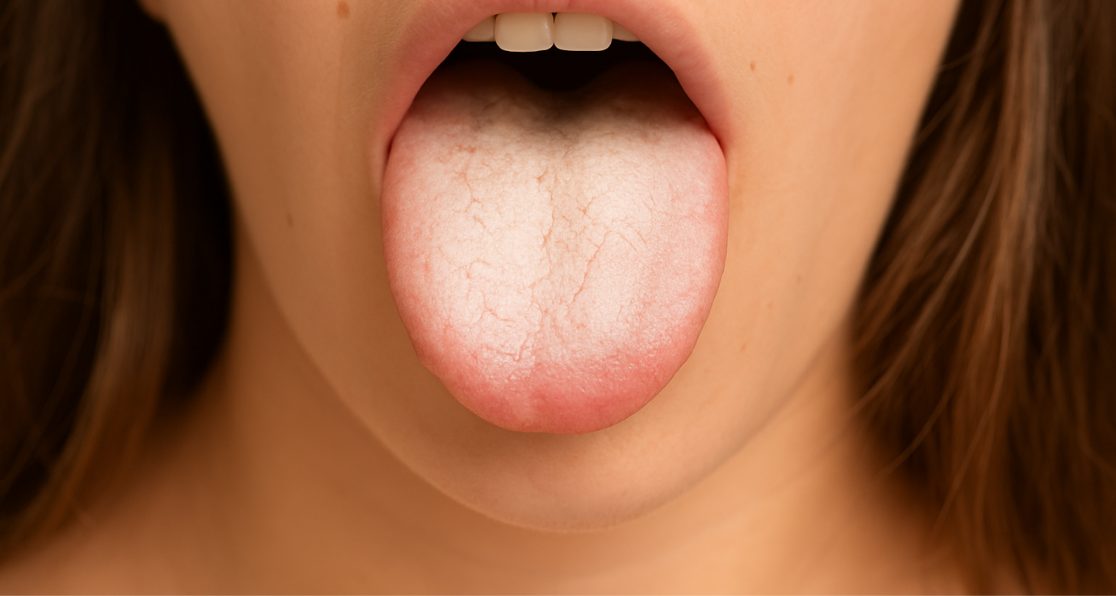
Understanding White Tongue
A white tongue can be concerning and uncomfortable, affecting your daily life from eating to speaking. Whether you’ve noticed a thin coating or thick patches covering your tongue, understanding the underlying causes is the first step toward finding relief. This comprehensive guide explores everything you need to know about white tongue, including why my tongue is white, what are causes of white tongue are, and practical solutions for how to cure dry white tongue.
What Is White Tongue and Why Does It Occur?
Your tongue is a muscular organ covered with papillae—small taste buds that help you experience flavors and textures. When discoloration appears, it’s typically your body’s way of signaling an imbalance. The whitish tongue causes can range from simple hygiene issues to more complex medical conditions. Understanding why my tongue is always white requires examining both lifestyle factors and underlying health conditions that might be at play. White tongue manifests differently depending on its cause. Some people experience a thin, film-like coating that feels dry and uncomfortable. Others notice thick, clustered patches that look similar to cottage cheese. The intensity of whitening on the tongue varies from barely noticeable to prominent enough to affect your confidence in social situations.
Common Lifestyle and Environmental Causes
Before exploring medical conditions, it’s important to recognize that many white tongue cases stem from everyday habits and environmental factors. These are often the easiest to address and resolve quickly.
Poor Oral Hygiene
The most straightforward cause of white tongue is inadequate oral care. Your mouth naturally accumulates bacteria, dead skin cells, and food debris. When you don’t brush your tongue regularly or thoroughly clean your oral cavity, these materials accumulate, creating a white or grayish coating. This buildup is particularly common among people who neglect tongue cleaning during their daily oral hygiene routine. To address this, use a tongue scraper or soft-bristled toothbrush to gently clean your tongue from back to front. Many people are surprised by how much buildup comes off with proper cleaning. This simple step can significantly reduce whitening on the tongue within just a few days.
Dehydration and Dry Mouth
Dehydration is a frequent culprit behind white tongue development. When your body lacks sufficient water and fluids, your mouth produces less saliva—the natural cleanser of your oral cavity. Saliva serves critical functions: it maintains oral pH balance, prevents bacterial overgrowth, and keeps your mouth tissues healthy. Without adequate hydration, your tongue becomes more susceptible to discoloration and coating development. Dry mouth can intensify existing white tongue problems and create an environment where harmful bacteria and fungi thrive. If you’re wondering why my tongue is white despite good hygiene, dehydration might be the answer. Increasing your daily water intake is often an effective first step in how to cure dry white tongue naturally.
Mouth Breathing and Sleep Patterns
Breathing through your mouth instead of your nose can dry out your tongue and oral tissues significantly. This habit is especially problematic during sleep when mouth breathing continues unchecked for hours. The constant airflow dries the tongue’s surface, allowing bacteria and fungi to establish themselves more easily. People who sleep with their mouths open often wake up with more pronounced white tongue symptoms. If you suspect mouth breathing is contributing to your condition, try nasal strips, saline rinses, or consulting with a sleep specialist about potential sleep apnea issues.
Tobacco and Alcohol Use
Both tobacco and alcohol consumption can irritate your tongue and create conditions favorable for white coating development. Tobacco smoke dries out the mouth tissues and disrupts the natural balance of oral bacteria. Alcohol has similar dehydrating effects and can irritate the tongue’s delicate surface. Smoking or using other tobacco products by mouth creates a direct irritation that manifests as white patches or discoloration. Similarly, alcohol use depletes moisture and disrupts your mouth’s protective mechanisms. Reducing or eliminating these substances is crucial in addressing why my tongue is always white if these habits are part of your daily routine.
Medical Conditions Associated with White Tongue
While lifestyle factors account for many cases, certain medical conditions require professional attention. Understanding these conditions helps you determine when self-treatment is appropriate and when you need medical intervention.
Oral Thrush
Oral thrush is a fungal infection caused by Candida albicans, a yeast that naturally exists in your mouth. When your immune system is compromised or antibiotics kill beneficial bacteria, thrush can flourish, creating white patches that resemble cottage cheese. This is among the most common causes of white tongue in specific populations. Thrush is particularly prevalent among people taking antibiotics for extended periods, those with HIV/AIDS, cancer patients undergoing chemotherapy, or individuals with poorly controlled diabetes. The condition creates not just a whitish tongue causes visual discoloration but also discomfort, altered taste, and difficulty eating. Antifungal medications prescribed by healthcare providers are typically necessary to treat thrush effectively.
Geographic Tongue
Geographic tongue is a harmless but distinctive condition where irregular patches appear on your tongue’s surface, creating a map-like appearance. These patches are areas where the tongue’s papillae have shed, exposing the underlying tissue. While often whitish in appearance, geographic tongue is generally painless and doesn’t require treatment beyond monitoring. This condition is congenital—present from birth—and typically doesn’t progress or worsen. However, it can be aesthetically concerning for some people. Understanding that geographic tongue is benign helps distinguish it from more serious conditions that might require intervention.
Oral Lichen Planus
Oral lichen planus is an inflammatory condition affecting the mouth’s mucous membranes, including the tongue. This autoimmune-related condition creates white, lacy patches or raised lines on the tongue surface. Unlike thrush, it’s not contagious and doesn’t respond to antifungal medications.
The exact cause remains unclear, though stress, certain medications, and autoimmune responses play roles. Some cases cause significant discomfort, while others remain asymptomatic. Topical corticosteroids are commonly prescribed to manage inflammation and associated symptoms.
Oral Leukoplakia
Leukoplakia refers to white patches that cannot be scraped off and don’t correspond to any other diagnosable disease. This condition is concerning because leukoplakia can potentially develop into oral cancer, though most cases remain benign. Any white patches persisting longer than two weeks warrant professional evaluation to rule out malignancy.
Medication Side Effects
Certain medications can cause a white tongue as a side effect. Long-term antibiotic use is particularly notorious for triggering oral thrush. Other medications that can affect tongue color include some immunosuppressants, certain cancer treatments, and drugs affecting saliva production. If you’ve started new medications and subsequently developed white tongue, discussing this with your healthcare provider is essential.
Practical Solutions: How to Cure Dry White Tongue
Once you’ve identified the underlying cause, implementing appropriate treatment strategies becomes possible. Here are evidence-based approaches to how to cure dry white tongue and manage whitening on the tongue effectively.
Immediate Relief Measures
Start with fundamental hygiene improvements. Gently brush your tongue twice daily using a soft-bristled toothbrush or specialized tongue scraper. Move from back to front with gentle pressure, removing accumulated coating without causing tissue damage. Rinse with warm salt water several times daily—a simple remedy with antibacterial properties that reduces inflammation. Increase water intake significantly. Aim for at least eight glasses daily, adjusting based on your activity level and climate. Proper hydration addresses the root cause of many cases while improving overall health. Avoid alcohol and tobacco products while your tongue heals, as these substances further irritate tissues and impede recovery.
Dietary Adjustments
Consume more fiber-rich foods and avoid a low-fiber diet that limits protective nutrients. Fresh vegetables, fruits, and whole grains provide essential vitamins and minerals supporting oral health. Specifically, foods rich in B vitamins, vitamin C, and zinc promote tissue healing and immune function. Limit spicy, hot, and acidic foods that irritate your tongue while it’s healing. Yogurt with live cultures (if not contraindicated) can help restore beneficial bacteria and combat fungal overgrowth. Avoid foods that are excessively hard or sharp, as these can cause additional tongue irritation.
Addressing Dry Mouth
If dehydration is your primary issue, moisturizing your mouth becomes crucial. Sugar-free lozenges, artificial saliva products, and mouth rinses designed for dry mouth can provide relief. Use a humidifier in your bedroom to add moisture to the air while you sleep, particularly if you’re a mouth breather. Consider using a saltwater rinse before bed. Mix one-quarter teaspoon of salt in warm water and swish for thirty seconds. This natural remedy reduces bacterial load and soothes irritated tissues without introducing harsh chemicals.
When to Seek Professional Help
Consult a healthcare provider if white tongue persists longer than two weeks despite self-treatment efforts. Similarly, seek immediate attention if you experience difficulty swallowing, severe pain, fever, or signs of infection. If white patches cannot be scraped off, appear raised or irregular, or cover large tongue areas, professional evaluation is necessary. A dentist or physician can perform a proper diagnosis, determining whether you’re dealing with thrush, leukoplakia, lichen planus, or another condition requiring specific treatment. This professional assessment ensures you receive appropriate care rather than continuing ineffective home remedies.
Prevention Strategies for Long-Term Management
Preventing white tongue recurrence involves maintaining healthy habits and addressing risk factors proactively. Practice consistent oral hygiene, including tongue cleaning, stay well-hydrated throughout the day, avoid tobacco and excessive alcohol, and maintain a balanced diet rich in nutrients supporting immune function. Regular dental checkups catch potential issues early before they progress. If you’re prone to thrush or other oral infections, discuss preventive strategies with your healthcare provider. Some people benefit from periodic antifungal rinses or other prophylactic measures, particularly if they’re immunocompromised.
Conclusion
White tongue affects many people and stems from diverse causes ranging from simple hygiene oversights to complex medical conditions. Understanding why my tongue is white is the essential first step toward finding effective solutions. Whether addressing how to cure dry white tongue through hydration and improved hygiene or seeking professional treatment for fungal infections, taking action restores your comfort and confidence.