

Introduction
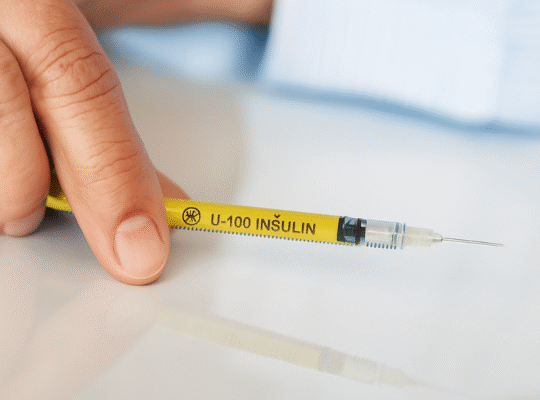
When managing diabetes, one of the most important conversations revolves around food choices that stabilize rather than spike blood sugar levels. Non-starchy vegetables for blood glucose control have emerged as the cornerstone of effective diabetes management, offering unlimited nutritional benefits without the carbohydrate load that concerns many diabetics. Unlike their starchy counterparts, which can cause rapid spikes in glucose levels, non-starchy vegetables provide essential vitamins, minerals, and fiber while maintaining stable blood sugar readings throughout the day.
Understanding Non-Starchy Vegetables
- Non-starchy vegetables represent one of the most nutrient-dense food groups available to diabetic patients. These vegetables contain minimal carbohydrates while delivering maximum nutritional value, making them ideal for maintaining stable glucose levels.
- Non-starchy vegetables for blood glucose control include a diverse range of options: leafy greens like spinach, kale, and lettuce; cruciferous vegetables such as broccoli, cauliflower, and Brussels sprouts; and a variety of other options that contribute to better health outcomes. The key distinction lies in their carbohydrate content—non-starchy vegetables contain significantly fewer carbs than their starchy cousins, allowing for generous portions without concern.
- The recommended daily intake suggests consuming at least six servings of vegetables daily, with one serving equaling either ½ cup of cooked vegetables or 1 cup of raw vegetables. This guideline reflects the profound benefits these vegetables provide for glucose management and overall nutritional health.
The Science Behind Blood Sugar Control
Understanding how non-starchy vegetables for blood glucose control work at a physiological level helps explain their remarkable effectiveness. These vegetables are rich in dietary fiber, which slows the digestion and absorption of carbohydrates, preventing the sharp blood sugar spikes that characterize poor glycemic control. Additionally, the water and nutrient content in non-starchy vegetables promotes satiety without adding excessive calories. Research consistently demonstrates that individuals who increase their non-starchy vegetable intake experience significant improvements in HbA1c levels, fasting blood glucose, and postprandial glucose measurements. The phytochemicals found in these vegetables—compounds with antioxidant and anti-inflammatory properties—further support metabolic health by reducing oxidative stress and improving insulin sensitivity.
Essential Vegetables for Diabetic Diets
Green Beans: A Nutritional Powerhouse
When addressing the question
Can diabetics eat green beans?
The answer is an emphatic yes. Green beans (also called snap beans or string beans) represent an excellent choice for blood sugar management. With only 31 calories per 100 grams and approximately 7 grams of carbohydrates, green beans offer impressive nutritional density.
Can diabetics eat green beans?
The supportive evidence is compelling. These vegetables contain vitexin and isovitexin, compounds that have demonstrated blood sugar-lowering properties in scientific studies. Additionally, the high fiber content—approximately 3 grams per 100-gram serving—contributes to stable glucose readings and improved digestion.
Can diabetics eat green beans as a frequent dietary staple?
Absolutely. The low glycemic load (below 10) classifies them as an ideal choice for daily consumption. Healthcare providers often recommend consuming 55 grams of green beans daily as part of a balanced diabetic meal plan, and there’s no upper limit preventing those with diabetes from enjoying larger quantities as part of their vegetable intake.
Eggplant: Nature’s Anti-Diabetic Vegetable
The question
Is eggplant healthy for diabetics?
Warrants thorough examination, as this purple vegetable offers remarkable benefits for glucose control. With only 25 calories and 6 grams of carbohydrates per 100-gram serving, eggplant presents an excellent low-carb option.
Is eggplant healthy for diabetics? Clinical research provides affirmative evidence. Eggplants contain polyphenolic compounds, particularly chlorogenic acid and nasunin, which possess demonstrated antidiabetic properties. These compounds work through multiple mechanisms: they slow sugar absorption in the digestive tract by inhibiting α-glucosidase and α-amylase enzymes, enhance insulin secretion, and reduce oxidative stress—a key contributor to diabetic complications.
Is eggplant healthy for diabetics in terms of practical application?
When prepared through steaming, roasting, or grilling rather than deep-frying, eggplant serves as a versatile side dish that complements protein-based meals perfectly. The fiber content (approximately 3 grams per 100 grams) contributes to sustained satiety and stable glucose readings.
Comparing Your Green Options: Snap Peas vs Green Beans
Understanding the distinctions between snap peas vs green beans helps optimize your vegetable selection for specific nutritional goals and flavor preferences.
- The comparison of snap peas vs green beans reveals important nutritional differences. Green beans contain approximately 31 calories per 100 grams with 7 grams of carbohydrates, while snap peas provide slightly higher nutritional density at 42 calories with 7.6 grams of carbohydrates per 100 grams. However, snap peas contain substantially more protein (approximately 3 grams per 100 grams compared to 2 grams in green beans) and offer superior sweetness.
- When examining snap peas vs green beans from a flavor perspective, snap peas deliver a naturally sweet, crisp taste suitable for raw consumption, while green beans develop more nuanced nutty flavors when cooked. Both vegetables provide excellent fiber content and low glycemic impact. The choice between them often depends on personal preference and specific recipe requirements rather than significant nutritional superiority.
Edamame and Snap Peas: Understanding the Difference
Many individuals find the distinction between difference between edamame and snap peas confusing, as both appear similar in color and size. However, these legumes possess fundamentally different characteristics. The difference between edamame and snap peas begins with botanical classification. Edamame represents immature soybeans still in their pods, while snap peas are a hybrid between snow peas and garden peas. The most significant difference between edamame and snap peas lies in the consumption method: snap peas are eaten whole (pod and peas together), while edamame requires removing the beans from the pod before eating. Nutritionally, the difference between edamame and snap peas becomes more pronounced. Edamame contains approximately 18.5 grams of protein per cup compared to snap peas’ 3 grams, making edamame a complete protein source. However, snap peas offer superior vitamin C content and more pronounced sweetness. Both provide excellent fiber and minimal impact on blood glucose levels.
Quantifying Your Vegetables: Cabbage Weight and Portions
For those who engage in meal planning and recipe preparation, understanding vegetable weights becomes essential. A common question addresses
How Much Does a Cabbage Weigh?”
The answer to “how much does a cabbage weigh?” depends on the cabbage variety and size. Large cabbage heads typically weigh approximately 39 ounces (1106 grams), medium heads average 32 ounces (908 grams), and small heads weigh around 28 ounces (794 grams). When shredded, one medium cabbage yields approximately 8 to 8.5 cups, meaning less than 1/8 of a head produces one cup of shredded cabbage. Understanding “how much does a cabbage weigh?” assists in calculating portion sizes and nutrition information. Cabbage belongs to the Brassica family alongside broccoli and Brussels sprouts, offering similar nutritional profiles rich in vitamin C, vitamin K, and cancer-fighting phytochemicals. These glucosinolates support liver health and provide anti-inflammatory benefits crucial for diabetic patients.
Beyond Green: Non-Green Vegetable Options
While many popular non-starchy vegetables display green coloring, vegetables that are not green contribute equally important nutrients to a balanced diabetic diet. Red, purple, orange, and white vegetables offer distinct phytonutrient profiles that complement green vegetables. Vegetables that are not green include purple eggplants, providing anthocyanins, red peppers rich in vitamin C and lycopene, orange carrots containing beta-carotene, white cauliflower, offering sulforaphane, and red cabbage delivering superior antioxidant compounds compared to green varieties. Including vegetables that are not green in your weekly meal planning ensures comprehensive micronutrient intake and prevents nutritional deficiencies common in restrictive diabetic diets.
Vegetables Similar to Asparagus for Alternative Options
For those seeking alternatives to asparagus or interested in exploring vegetables similar to asparagus, understanding comparable options expands dietary variety. Asparagus itself provides 21 calories per 80-gram portion with only 1.1 grams of carbohydrates, making it an excellent diabetic choice. Vegetables similar to asparagus include okra, which offers a similar nutritional profile with minimal carbohydrate content and excellent fiber density. Green beans also present comparable characteristics to asparagus. Broccoli stands out as another cruciferous option providing similar nutritional benefits with sulforaphane compounds that enhance glucose metabolism. Brussels sprouts likewise deliver comparable carbohydrate restrictions alongside superior nutrient density.
The Veggie Test: Assessing Your Vegetable Knowledge
A practical tool gaining popularity among nutrition professionals involves the “veggie test”—a simple assessment determining whether a vegetable qualifies as non-starchy. The veggie test involves evaluating whether a vegetable can be consumed in substantial quantities without significantly impacting blood glucose levels. If you can comfortably eat two cups of a vegetable without concern for glucose spikes, it likely passes the veggie test. Non-starchy vegetables universally pass this assessment, while starchy vegetables like potatoes and corn typically fail. Implementing the veggie test into your personal dietary evaluation system empowers you to make confident food choices without constantly consulting reference materials. This practical approach builds diabetes management confidence and promotes dietary adherence, essential components for long-term success in glucose control.
Best Low-Carb Frozen Foods for Convenience
Modern diabetes management acknowledges the reality that preparing fresh vegetables requires time and planning. Fortunately, the best low-carb frozen foods provide convenient alternatives, maintaining nutritional integrity.
Best low-carb frozen foods for diabetics include frozen broccoli, spinach, cauliflower rice, and mixed non-starchy vegetables. These options contain no added sodium, fats, or sugars when selected carefully from the supermarket frozen vegetable section. Brands offering quality frozen options without added sauces include store-brand varieties from reputable retailers emphasizing whole food ingredients. When choosing the best low-carb frozen foods, examine labels carefully. Avoid frozen vegetables packaged with butter sauces, cream sauces, or high-sodium preparations. Plain frozen vegetables provide maximum flexibility for meal preparation while maintaining consistent nutritional value. Studies confirm that properly frozen vegetables retain 85-95% of their nutrient content compared to fresh vegetables, making them nutritionally equivalent to fresh produce.
Practical Strategies for Incorporating Non-Starchy Vegetables
Successfully incorporating non-starchy vegetables for blood glucose control into daily meals requires practical planning and preparation strategies. Consider these evidence-based approaches:
Plate Composition Strategy: Fill half your plate with non-starchy vegetables, allocate one-quarter to lean proteins, and reserve one-quarter for healthy carbohydrates. This simple visual framework ensures adequate vegetable consumption while maintaining balanced nutrient ratios.
Preparation Methods: Steam, roast, sauté with minimal oil, or enjoy raw to preserve nutrient content and avoid adding excessive calories. Boiling can leach water-soluble vitamins, so minimize this cooking technique.
Color Diversity: Consume vegetables displaying varied colors throughout the week, ensuring comprehensive micronutrient intake and maintaining dietary interest.
Portion Flexibility: Unlike most foods, non-starchy vegetables offer remarkable portion flexibility. Eating larger quantities provides additional fiber and nutrients without concern for blood sugar elevation.
Conclusion
Non-starchy vegetables for blood glucose control represent far more than dietary restrictions—they constitute powerful therapeutic tools for managing diabetes effectively. From green beans and eggplant to the diverse spectrum of non-green vegetables, these foods provide unlimited opportunities for creating satisfying meals that support stable blood glucose levels. Understanding distinctions between similar vegetables like snap peas vs green beans or the difference between edamame and snap peas empowers informed decision-making tailored to individual preferences. Knowledge of vegetable weights, selection of the best low-carb frozen foods for convenience, and application of practical strategies like the veggie test streamline diabetes management.