
Understanding, Recognizing, and Managing Female Sleep Apnea
Women often overlook symptoms of sleep apnea, a condition characterized by repeated pauses in breathing during sleep. While traditionally associated with middle-aged men, female sleep apnea is more common than many realize. Understanding how sleep apnea presents in women, recognizing the subtle signs, and seeking prompt diagnosis and treatment are vital for improving health, daytime functioning, and quality of life. This comprehensive guide covers everything you need to know about sleep apnea in women—from “do women get sleep apnea?” to “can thin people have sleep apnea?”—and offers actionable advice on treatment, including CPAP for women.
The Growing Awareness: Do Women Get Sleep Apnea?
Sleep apnea affects an estimated 22 million Americans, with nearly half remaining undiagnosed. Among those affected, about 40% are women. Historically under-recognized, sleep apnea in women over 50 is particularly prevalent due to hormonal changes around menopause. While men tend to exhibit more classic symptoms, women’s presentations can be subtle, leading to delays in diagnosis.
Why Female Sleep Apnea Is Underdiagnosed
Women frequently report fatigue, insomnia, and mood disturbances—symptoms easily mistaken for stress, depression, or menopause. Unlike stereotypical snoring, many women with sleep apnea experience quieter breathing interruptions or wake gasping, making partners less aware of the problem.
Recognizing Sleep Apnea Symptoms in Women
Identifying female sleep apnea involves awareness of both classic and atypical signs. Understanding these symptoms empowers women to seek timely evaluation.
Common Symptoms
- Loud or Frequent Snoring in Women: While women generally snore less than men, persistent snoring—especially if new or worsening—should raise concern about sleep apnea.
- Choking or Gasping at Night: Abrupt awakenings accompanied by gasping or choking are hallmark signs of obstructive sleep apnea (OSA).
- Excessive Daytime Sleepiness: Struggling to stay awake during the day, even after a full night’s rest, can signal disrupted sleep architecture.
- Morning Headaches: Recurring headaches upon waking are linked to fluctuations in oxygen levels during sleep.
Subtle and Atypical Presentations
- Insomnia or Restless Sleep: Women may experience difficulty falling or staying asleep rather than overt sleepiness.
- Mood Changes: Increased irritability, anxiety, or depressive symptoms can be misattributed to life stressors.
- Reduced Libido: Hormonal changes and poor sleep quality can lead to decreased sexual desire.
- Concentration and Memory Issues: Known as “brain fog,” these cognitive complaints often accompany chronic sleep disruptions.
Key Risk Factors in Women
Understanding who is at greater risk helps target screening efforts.
- Age and Menopause: Incidence rises significantly after age 50, coinciding with hormonal shifts that influence airway muscle tone.
- Obesity vs. Thin People: Although obesity is a major risk factor, can thin people have sleep apnea? Yes—craniofacial structure, neck circumference, and genetics also play roles. Do skinny people get sleep apnea? Absolutely; it’s a misconception that only overweight individuals are affected.
- Family History: A first-degree relative with sleep apnea increases personal risk.
- Hormonal Changes: Pregnancy, menopause, and polycystic ovary syndrome (PCOS) can exacerbate airway collapsibility.
- Alcohol and Sedative Use: These substances relax throat muscles, promoting airway obstruction.
Screening and Diagnosis: What to Expect
If you suspect you have sleep apnea, consult a healthcare provider for screening and testing.
Screening Tools
- STOP-Bang Questionnaire: A simple eight-item tool assessing Snoring, Tiredness, Observed apneas, high blood Pressure, BMI, Age, Neck circumference, and Gender.
- Epworth Sleepiness Scale: Measures daytime sleepiness through a questionnaire rating the likelihood of dozing in various situations.
Sleep Studies
- Polysomnography (PSG): Conducted overnight in a sleep lab, PSG records brain waves, oxygen levels, heart rate, breathing patterns, and muscle activity.
- Home Sleep Apnea Testing (HSAT): Portable devices measure respiratory effort and oxygen saturation. HSAT may be suitable for straightforward cases.
Consequences of Untreated Sleep Apnea in Women
Ignoring sleep apnea in women over 50 or younger can lead to serious health complications:
- Cardiovascular Disease: Intermittent hypoxia raises blood pressure and strain on the heart, elevating risk of hypertension, heart attacks, arrhythmias, and stroke.
- Diabetes and Metabolic Syndrome: Poor sleep and oxygen fluctuations impair insulin sensitivity and glucose metabolism.
- Mental Health: Chronic fatigue and sleep disruption contribute to anxiety, depression, and cognitive impairment.
- Reproductive Health: Sleep disturbances can worsen menstrual irregularities and fertility issues.
Treatment Options: From Lifestyle to CPAP for Women
Effective management of female sleep apnea often involves a combination of lifestyle modification, medical devices, and sometimes surgery.
Lifestyle and Behavioral Changes
- Weight Management: Losing even 10% of body weight can significantly reduce apnea-hypopnea index (AHI).
- Sleep Positioning: Sleeping on the side rather than the back can prevent airway collapse.
- Avoiding Alcohol and Sedatives: Limit alcohol, especially before bedtime; avoid prescription sedatives unless essential.
- Good Sleep Hygiene: Establish a regular sleep schedule, create a calm nighttime environment, and minimize screen time before bed.
Medical Devices
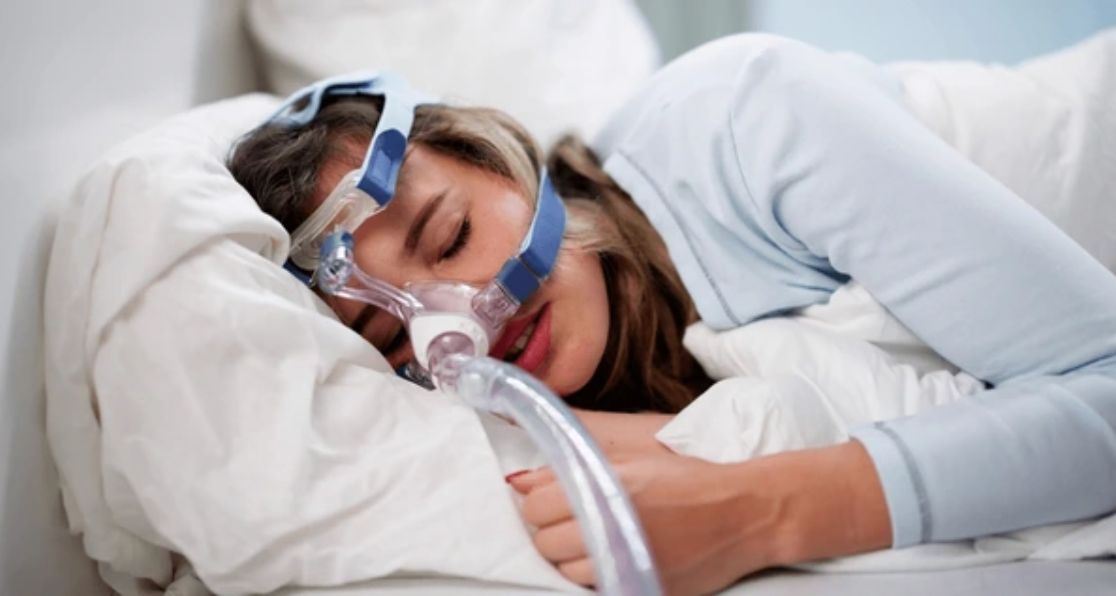
- CPAP for Women: Continuous Positive Airway Pressure (CPAP) remains the gold standard for moderate to severe OSA. Women may benefit from masks designed for smaller facial structures, quieter machines, and integrated humidification to alleviate dryness and discomfort.
- Oral Appliances: Custom-fitted mandibular advancement devices reposition the jaw to keep airways open. Best suited for mild to moderate cases or those intolerant of CPAP.
- Positional Therapy Devices: Worn around the waist or upper torso to nudge sleepers away from the supine position.
Surgical and Advanced Therapies
- Upper Airway Stimulation (Hypoglossal Nerve Stimulation): An implantable device that stimulates tongue muscles to maintain airway patency during sleep.
- Soft Tissue Surgeries: Uvulopalatopharyngoplasty (UPPP), tonsillectomy, or jaw advancement procedures for select patients with anatomical abnormalities.
Frequently Asked Questions
Do girls snore?
Snoring is common across genders, including adolescent girls. Habitual snoring may indicate early-onset sleep-disordered breathing and warrants evaluation.
Can you have sleep apnea without snoring?
Yes. Approximately 30% of women exhibit sleep apnea without snoring, presenting with silent apneas, restless sleep, and daytime fatigue.
Can thin people have sleep apnea?
Body weight is a factor, but not exclusive. Can thin people have sleep apnea? Certainly, muscle tone, airway anatomy, and genetics can predispose slender individuals to OSA.
Is CPAP for women different?
While functionally identical, CPAP devices marketed to women often feature smaller masks, softer colors, and lower pressure settings tailored to comfort preferences.
Practical Tips for Women Seeking Help
- Track Your Symptoms: Keep a sleep diary noting snoring episodes, awakenings, daytime fatigue, mood changes, and morning headaches.
- Involve Your Partner: Ask a bed partner to observe breathing patterns or record episodes.
- Advocate for a Sleep Study: Present your symptom log and questionnaire results to your physician.
- Explore Device Options: Request a CPAP mask fitting specific to female facial contours; trial different styles to find the best comfort and seal.
- Join Support Groups: Online communities and local clinics offer peer advice on compliance, troubleshooting, and lifestyle integration.
Conclusion
Sleep apnea symptoms in women often differ from those in men, leading to underdiagnosis and prolonged suffering. By understanding the unique presentations—including quiet or absent snoring, insomnia, mood changes, and fatigue—women can pursue timely evaluation. Treatments such as CPAP for women, positional therapy, and oral appliances, combined with lifestyle modifications, dramatically improve sleep quality and health outcomes. Don’t let misconceptions about weight or gender stop you from seeking help—if you suspect sleep apnea, consult a healthcare professional to reclaim restorative sleep and vibrant well-being.