

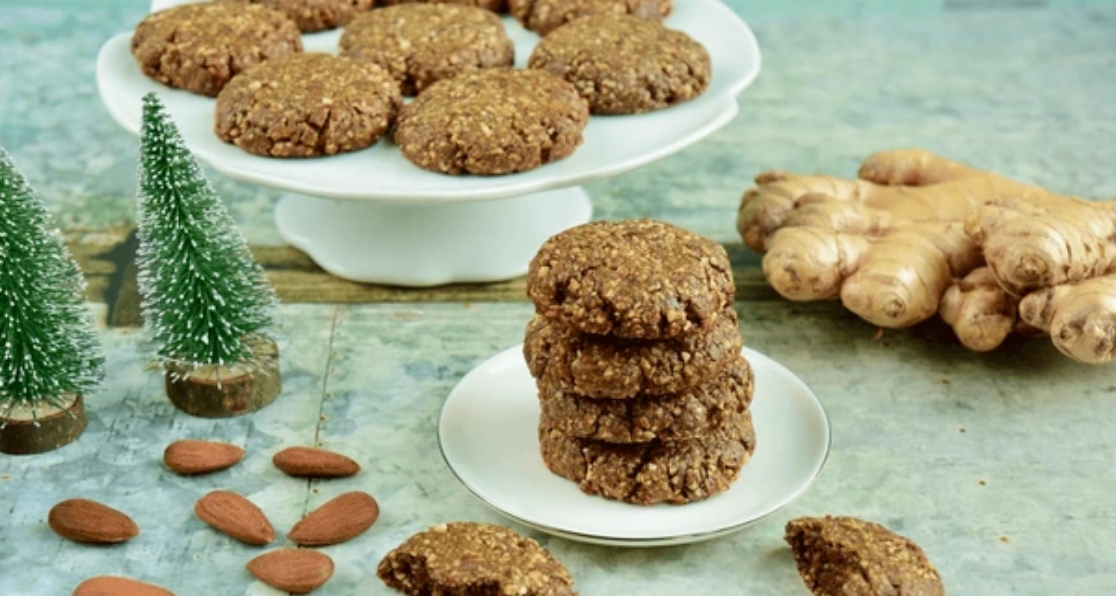
A Healthier Holiday Treat You’ll Actually Feel Good About
When the holiday season approaches, most of us face the inevitable temptation of traditional cookies laden with excessive sugar and refined flour. But what if there was a way to indulge in warm, spiced ginger molasses cookies without the guilt? Healthy molasses cookies represent a delicious revolution in holiday baking, transforming a classic treat into a nutritious indulgence that aligns with modern wellness goals.
Why Ginger Molasses Cookies Are Worth the Hype
Healthy molasses cookies have gained tremendous popularity among health-conscious bakers, and for good reason. Traditional ginger molasses cookie recipes contain roughly three times the sugar found in their lightened-up counterparts, yet when properly reformulated with wholesome ingredients, you genuinely cannot detect the difference in flavor or texture. The magic lies in understanding both the nutritional science behind these treats and the ingredient substitutions that create magic in your mixing bowl.
A combination of ginger and molasses
The combination of ginger and molasses creates something truly special. Beyond mere taste, these warming spices deliver actual health benefits. Ginger molasses cookies harness the power of anti-inflammatory properties found in fresh ginger, combined with the mineral-rich profile of molasses itself. When you bite into a properly crafted ginger molasses cookie recipe, you’re not just enjoying nostalgia—you’re consuming compounds that support digestive health, reduce inflammation, and provide essential minerals your body craves.
Are Molasses Cookies Good For You? Breaking Down The Truth
This is perhaps the most critical question health-conscious bakers ask:
Are molasses cookies good for you?
The answer isn’t a simple yes or no. Traditional molasses cookies—the kind your grandmother made or that you purchase from commercial bakeries—contain approximately 120-140 calories per cookie, with substantial portions coming from refined sugars and saturated fats. However,
Are molasses cookies healthy when they’re properly reformulated?
Absolutely!The transformation from indulgent to nutritious centers on three key principles. First, are molasses cookies good for you when reduced-sugar versions are made with alternative sweeteners? Research consistently shows that replacing refined sugar with coconut sugar or reducing overall sugar content by 50-75% maintains the cookie’s structural integrity while dramatically improving nutritional profiles. Second, the flour foundation matters tremendously. Gluten-free molasses cookie recipe enthusiasts discovered that substituting conventional wheat flour with alternatives creates cookies with superior nutritional density. Third, the addition of protein-rich ingredients elevates the entire nutritional equation.
Molasses Cookie Nutrition: What You’re Actually Eating
Understanding molasses cookie nutrition helps demystify why certain recipes work better than others. A standard commercial molasses cookie contains approximately 138 calories per serving, with 5% protein, 68% carbohydrates, and 27% fat. However, the distribution of these macronutrients isn’t optimal for health-conscious consumers seeking sustained energy and stable blood sugar.
Examining molasses
When examining molasses cookies’ calories, lightened-up versions typically range from 90-130 calories per cookie, depending on size and specific ingredient choices. More importantly, the quality of calories dramatically improves. Where traditional cookies derive most carbohydrates from simple sugars, healthier versions incorporate complex carbohydrates from whole grains and additional fiber from nut flours. A single healthy molasses cookies recipe incorporating almond flour can boost protein content from 1-2 grams to 4-5 grams per cookie—a 200-300% increase that fundamentally changes the metabolic response your body has to these treats.
The Nutritional Powerhouse: Molasses as Foundation
- Healthy recipes with molasses leverage this ingredient’s impressive mineral profile. One tablespoon of blackstrap molasses provides 10% of your daily calcium needs, substantial iron for blood health, and meaningful quantities of manganese, potassium, and magnesium. For women, this becomes particularly significant—molasses’s iron content helps combat menstrual iron loss and supports energy levels throughout the month.
- Beyond minerals, molasses contains polyphenol antioxidants that actively protect your cells from oxidative damage. Research published in multiple nutritional journals confirms that molasses ranks among sugarcane products with the highest antioxidant concentrations. This means every spice-perfumed bite of your ginger molasses cookies delivers compounds associated with preventing chronic diseases, supporting cardiovascular health, and reducing inflammation throughout your body.
Gluten-Free and Keto Options: Meeting Every Dietary Need
The modern wellness landscape demands flexibility, and cookie recipes have evolved accordingly. Gluten-free molasses cookie recipe enthusiasts will appreciate that these treats adapt beautifully to alternative flour bases. Quality gluten-free all-purpose flour blends, when combined with almond flour or coconut flour, create cookies with superior taste and texture compared to traditional single-flour approaches.
Keto molasses cookies
Represent an entirely different innovation. By replacing molasses with coffee flour—a byproduct of coffee production that remarkably mimics molasses’s rich flavor—and using keto-approved sweeteners, bakers created truly carb-conscious versions. These cookies contain a mere 1-2 net carbs per serving while maintaining authentic ginger molasses flavor. The secret involves using almond flour and coconut flour as the flour base, reducing total carbohydrate load while keeping protein content surprisingly high.
Sugar-Free Solutions: The Modern Sweetening Strategy
Sugar-free ginger cookies represent perhaps the most transformative innovation in health-conscious baking. Natural sweeteners like coconut sugar, monk fruit, and erythritol enable dramatic sugar reductions without sacrificing the caramelized complexity that makes these cookies irresistible. Coconut sugar deserves particular attention—it possesses a lower glycemic index than refined sugar while providing subtle mineral contributions that enhance overall nutritional value.
When creating sugar-free ginger cookies, the textural challenge becomes paramount. Sugar contributes more than sweetness; it affects moisture retention, browning, and the delicate crackly-edges-with-chewy-center texture that defines exceptional molasses cookies. Successfully navigating this requires understanding how different sweeteners interact with your chosen flour blend and adjusting liquid content accordingly.
Almond Flour Magic: Transforming Cookie Foundations
Almond flour molasses cookies represent the intersection of nutritional optimization and sensory pleasure, containing 6 grams of protein per ounce compared to less than 1 gram in wheat flour. Simultaneously, it provides 14 grams of fat per ounce, predominantly heart-healthy monounsaturated fats. This creates cookies with improved satiety—meaning you feel satisfied with smaller portions while consuming superior overall nutrition.
The advantages of almond flour
Molasses cookies extend beyond macronutrients. Almond flour brings vitamin E, magnesium, manganese, and fiber to your cookie base. Where wheat flour contains problematic phytic acid that reduces nutrient absorption, almond flour loses its skin during processing, eliminating this antinutrient issue. Healthy molasses cookies incorporating almond flour enable superior micronutrient absorption, meaning your body actually accesses the nutritional benefits more efficiently than with conventional baked goods.
Crafting Your Lightened-Up Ginger Molasses Cookies: The Complete Recipe
Creating superior healthy molasses cookies demands precision and understanding.
- Begin by preheating your oven to 350°F and gathering quality ingredients. The foundation starts with 3/4 cup softened unsalted butter creamed with 1/4 cup granulated sugar and 1/4 cup light brown sugar until light and fluffy—approximately 2-3 minutes with electric mixing.
- Incorporate 1/4 cup unsulphured molasses and one large egg, beating thoroughly until the mixture achieves homogeneous consistency. In a separate bowl, whisk together 1 1/4 cups all-purpose flour (or certified gluten-free flour for gluten-free molasses cookie recipe versions) with 1 1/4 cups almond flour molasses cookies base, 2 teaspoons baking soda, 1/2 teaspoon sea salt, 2 teaspoons ground ginger, 1 teaspoon cinnamon, and 1/4 teaspoon ground cloves.
- Fold wet and dry ingredients together, avoiding overmixing, which toughens cookies. Form dough into golf ball-sized portions, rolling each in coarse sugar before placing on parchment-lined baking sheets with 2-3 inches between cookies. Bake for 10 minutes—these healthy molasses cookies will appear underdone in the center, achieving a perfect chewy texture through carryover cooking on the cooling sheet.
Nutritional Breakdown: What You’re Getting Per Cookie
Each healthy molasses cookie serving delivers approximately 120 calories in the almond flour version. Protein content reaches 3-4 grams compared to 1 gram in traditional recipes. Fat totals 6-7 grams, predominantly from both butter and almond flour’s beneficial monounsaturated and polyunsaturated sources. Carbohydrates remain modest at 12-14 grams, with dietary fiber contributing 1-1.5 grams, thanks to almond flour’s contribution. Most importantly, molasses cookie nutrition in these lightened versions emphasizes nutrient density over empty calories. Your body receives manganese, supporting bone health, copper, enabling energy production, folate for cellular function, and thiamine, supporting metabolic processes. These aren’t hollow indulgences—they’re genuine foods your body recognizes and can effectively utilize.
Frequently Asked Questions About Healthier Ginger Molasses Cookies
Q: Are molasses cookies healthy enough for regular consumption?
A: Healthy molasses cookies certainly qualify as treats rather than daily staples, but they represent genuinely nutritious options. One cookie provides meaningful minerals, antioxidants, and satisfying pleasure without the sugar-crash aftermath of conventional versions.
Q: What makes gluten-free molasses cookies different?
Gluten-free molasses cookie recipe versions substitute wheat flour entirely with alternatives like rice flour, almond flour, or certified gluten-free blends. Beyond removing gluten for celiac-friendly consumption, gluten-free molasses cookie recipe often improves overall nutritional profiles through almond flour inclusion.
Q: Can keto dieters genuinely enjoy molasses cookies?
Keto molasses cookies absolutely exist and taste surprisingly authentic, utilizing coffee flour for molasses flavor while maintaining strict carbohydrate restrictions. Most versions contain 1-2 net carbs per cookie, making them genuinely ketogenic-compatible.
Q: How do sugar-free versions maintain flavor?
Sugar-free ginger cookies rely on sophisticated sweetener combinations and extended spice levels to deliver satisfaction. Monk fruit and erythritol blends provide sweetness while coconut sugar’s caramel notes complement the spice profile beautifully.
Storing Your Lightened-Up Treats for Maximum Freshness
Proper storage ensures your healthy molasses cookies maintain optimal texture and flavor throughout their enjoyment window. Place cooled cookies in airtight containers with parchment paper between layers, stored at room temperature for up to one week. For extended enjoyment, freeze cookie dough portions before baking—simply thaw in your refrigerator overnight and bake as directed for fresh cookies on demand.
The Bottom Line: Transforming Indulgence Into Nourishment
Healthy molasses cookies represent far more than a nutritional compromise. By understanding how ingredients interact, respecting molasses’s mineral contributions, and embracing almond flour’s protein profile, you create treats that genuinely nourish your body while satisfying genuine pleasure-seeking. Ginger molasses cookies recipe exploration transforms holiday baking from guilt-laden indulgence into a celebration of both tradition and modern wellness consciousness.