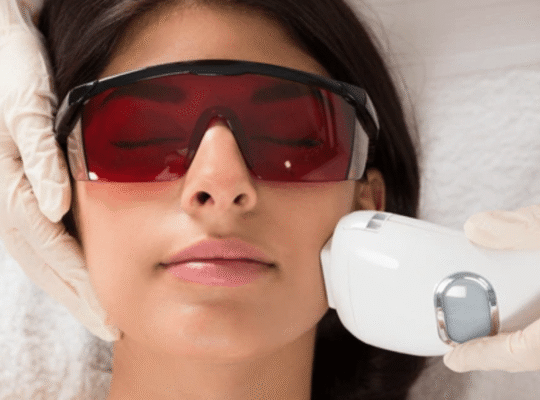


Understanding Photodamage and Skin Restoration
Photodamage represents one of the most prevalent dermatological concerns affecting individuals across diverse demographic groups. Characterized by premature aging, hyperpigmentation, fine lines, and loss of elasticity, photodamage results from prolonged ultraviolet radiation exposure. As dermatologists and skincare scientists continue their research, two compounds have emerged as frontrunners in addressing this widespread condition: vitamin C and retinol. Understanding the distinction between retinol vs vitamin C becomes essential for anyone seeking evidence-based skincare solutions.
The Molecular Mechanisms Behind UV-Induced Skin Damage
The structural integrity of the skin depends significantly on collagen production and antioxidant protection. When ultraviolet radiation penetrates the epidermis, it generates reactive oxygen species that degrade existing collagen and inhibit new collagen synthesis. This cascading effect manifests as visible signs of photodamage. Consequently, dermatological research has increasingly focused on topical interventions that can reverse these molecular changes and restore skin vitality.
The Science Behind Vitamin C for Photodamaged Skin
Vitamin C, scientifically known as L-ascorbic acid, functions as a potent antioxidant with multiple mechanisms of action beneficial for photodamaged skin. Clinical evaluations have demonstrated that vitamin C vs retinol comparisons often highlight vitamin C’s superior antioxidant capacity in certain contexts. When applied topically in appropriate concentrations (typically 10-20%), vitamin C penetrates the stratum corneum and reaches viable epidermis layers where it exerts its therapeutic effects.
How Vitamin C Addresses Multiple Layers of Photodamage
The efficacy of vitamin C in treating photodamage stems from several interconnected biological processes. First, it neutralizes free radicals generated by ultraviolet exposure, preventing ongoing cellular damage. Second, vitamin C serves as a cofactor for prolyl and lysyl hydroxylase enzymes, which are essential for collagen cross-linking and stabilization. Third, it inhibits melanin production through tyrosinase enzyme suppression, thereby addressing hyperpigmentation common in photodamaged skin. Clinical studies involving subjects with moderate photodamage have shown measurable improvements in skin texture, radiance, and pigmentation uniformity following consistent vitamin C application.
Stability and Formulation Considerations for Vitamin C Products
Interestingly, the comparison of vitamin C with retinol reveals that vitamin C offers advantages in terms of photostability and gentleness for sensitive skin types. However, vitamin C formulations require careful consideration regarding pH levels and packaging, as the compound degrades rapidly when exposed to light and oxygen.
Retinol: The Gold Standard in Photoaging Treatment
Retinol, a vitamin A derivative, occupies a unique position in dermatological science as the gold-standard treatment for photoaging and photodamage. Unlike vitamin C, retinal vitamin C comparisons reveal that retinol operates through distinct molecular mechanisms. Retinol undergoes metabolic conversion to retinaldehyde and subsequently to retinoic acid, the biologically active form that binds to nuclear receptors within skin cells.
Mechanism of Action: How Retinol Rebuilds Damaged Skin
The therapeutic potential of retinol manifests through multiple pathways. It stimulates fibroblast activity, significantly increasing collagen and elastin production. Retinol regulates epithelial cell differentiation, promoting more organized skin architecture. Additionally, it demonstrates remarkable efficacy in treating fine lines, coarse wrinkles, and hyperpigmentation associated with photodamage. Clinical evaluation data consistently show that subjects receiving retinol treatment for moderate photodamage experience substantial improvements in skin smoothness, firmness, and overall appearance.
The Retinization Process and Adjustment Period
The distinction between vitamin C and vitamin A for skin applications reveals important considerations. While vitamin C provides immediate antioxidant protection, retinol offers more profound structural remodeling of photodamaged tissue. However, retinol typically requires an adjustment period, during which users may experience increased photosensitivity, skin irritation, and peeling—a phenomenon known as retinization.
Direct Comparison: Retinol and Vitamin C in Clinical Settings
Clinical Study Results: Efficacy Metrics Compared
Rigorous clinical evaluations have directly compared retinol and vitamin C efficacy in subjects with moderate photodamage. Most comprehensive studies demonstrate that retinol produces more dramatic and measurable improvements in fine lines, texture, and firmness when evaluated over 12-24 week periods. Objective measurements using optical coherence tomography and subjective assessments by blinded evaluators consistently favor retinol in terms of collagen remodeling capacity.
Speed of Results: Vitamin C’s Rapid Brightening Effects
However, the comparison of vitamin C and retinol outcomes reveals important nuances. Vitamin C delivers faster visible results in terms of brightening and radiance, often showing improvements within 2-4 weeks of consistent application. This makes vitamin C particularly appealing for individuals seeking relatively immediate skin improvements. Additionally, vitamin C causes minimal irritation compared to retinol, making it suitable for all skin types, including sensitive and reactive skin.
Photodamage Response: Timing and Mechanism Differences
The clinical evidence surrounding vitamin C and vitamin A for skin suggests that moderate photodamage responds favorably to both compounds, but through different mechanisms and timelines. While retinol addresses structural photodamage through increased cell turnover and collagen synthesis, vitamin C prevents ongoing oxidative damage and provides immediate antioxidant benefits.
The Synergistic Approach: Combining Vitamin C and Retinol
Why Combined Treatment Delivers Superior Results
Emerging dermatological research increasingly examines the potential of combining these two powerful compounds. The question of vitamin C with retinol application has become a central focus of contemporary skincare science. Strategic use of both compounds addresses photodamage through complementary mechanisms: vitamin C provides antioxidant protection and immediate brightening, while retinol drives structural remodeling and long-term collagen restoration.
Formulation Chemistry and Application Timing Protocols
However, an effective combination requires careful consideration of formulation chemistry and application timing. Vitamin C and retinol possess different pH requirements for stability and efficacy, making simultaneous application in single formulations challenging. Most dermatological recommendations suggest using vitamin C in morning routines and retinol in evening regimens, allowing each compound to work optimally without competitive inhibition. This sequential approach ensures that retinol vs vitamin C benefits are maximized rather than diminished.
Enhanced Photodamage Reversal Through Layered Treatment
Research into retinal vitamin C combinations has revealed that users who employ both compounds in structured protocols experience more comprehensive photodamage reversal than those using either compound alone. Clinical evaluation data show that this combination approach produces superior results in addressing multiple aspects of photodamage: hyperpigmentation improves through both vitamin C’s melanin inhibition and retinol’s cell turnover acceleration; texture improves through retinol-stimulated collagen synthesis and vitamin C’s antioxidant support; and overall skin quality enhances through both compounds’ complementary mechanisms.
Clinical Efficacy Data and Evidence Summary
Vitamin C Performance Metrics in Photodamaged Subjects
Comprehensive clinical evaluations of photodamaged subjects reveal specific efficacy metrics for each compound. Vitamin C demonstrates approximately 40-50% improvement in skin radiance and 30-35% reduction in hyperpigmentation over 12-week treatment periods. Fine lines show modest improvement of 15-25%, suggesting that vitamin C’s primary benefit lies in antioxidant protection rather than structural remodeling.
Retinol’s Superior Structural Remodeling Capabilities
Retinol, conversely, demonstrates superior efficacy in addressing structural photodamage. Clinical data shows 50-70% improvement in fine line appearance, 40-50% enhancement in skin texture, and 35-45% improvement in skin firmness over identical timeframes. Hyperpigmentation improvement reaches 45-55%, suggesting retinol’s cell turnover effects substantially benefit this photodamage manifestation.
Cumulative Benefits: Combining Both Compounds for Maximum Impact
When subjects use both compounds sequentially, cumulative benefits emerge. Clinical evaluation comparing vitamin C vs retinol combined approaches versus monotherapy shows approximately 60-75% improvement across all photodamage parameters, representing meaningful additive benefits. This synergistic effect validates the dermatological recommendation that vitamin C and retinol represent complementary rather than competitive skincare interventions.
Practical Recommendations for Photodamaged Skin
Choosing Your Starting Point: Sensitivity vs. Intensity
For individuals presenting with moderate photodamage, evidence-based recommendations should guide treatment selection. Those prioritizing rapid visible improvements and possessing sensitive skin may benefit from initiating vitamin C and vitamin A for skin care with vitamin C monotherapy, subsequently introducing retinol after establishing tolerance. Conversely, individuals seeking comprehensive photodamage reversal and possessing resilient skin may begin with retinol, adding vitamin C for enhanced antioxidant support.
Strategic Timing: Morning and Evening Protocol Implementation
The decision between retinol and vitamin C need not be binary. Clinical evidence increasingly supports strategic combination through timing-based protocols: morning vitamin C application for antioxidant protection throughout the day, and evening retinol application for overnight collagen stimulation. This approach maximizes the benefits of both vitamin C with retinol and minimizes potential interactions or irritation.
Concentration Guidelines and Gradual Introduction Strategies
Successful implementation requires attention to concentration, formulation stability, and gradual introduction. Vitamin C concentrations should range from 10-20% for optimal efficacy, while retinol should begin at 0.25-0.5% and gradually increase as skin tolerance develops. Professional guidance ensures that retinol vs vitamin c selection aligns with individual skin characteristics, photodamage severity, and realistic expectations.
Conclusion
The clinical evaluation of vitamin C compared to retinol treatment in subjects with moderate photodamage reveals that both compounds offer evidence-based benefits through distinct mechanisms. While vitamin C vs retinol discussions often position these as competing options, contemporary dermatological science recognizes their complementary roles. Vitamin C excels in antioxidant protection and immediate brightening effects, while retinol dominates in structural photodamage reversal and collagen remodeling.