

Introduction
Heel spurs affect approximately 15% of Americans, causing significant discomfort and interfering with daily activities. If you’ve undergone or are considering heel spur surgery, one critical question likely weighs on your mind:
Can bone spurs grow back after surgical removal?
Understanding the possibility of recurrence and how to prevent it is essential for making informed decisions about your treatment and long-term foot health.
Understanding Heel Spurs and Surgical Treatment
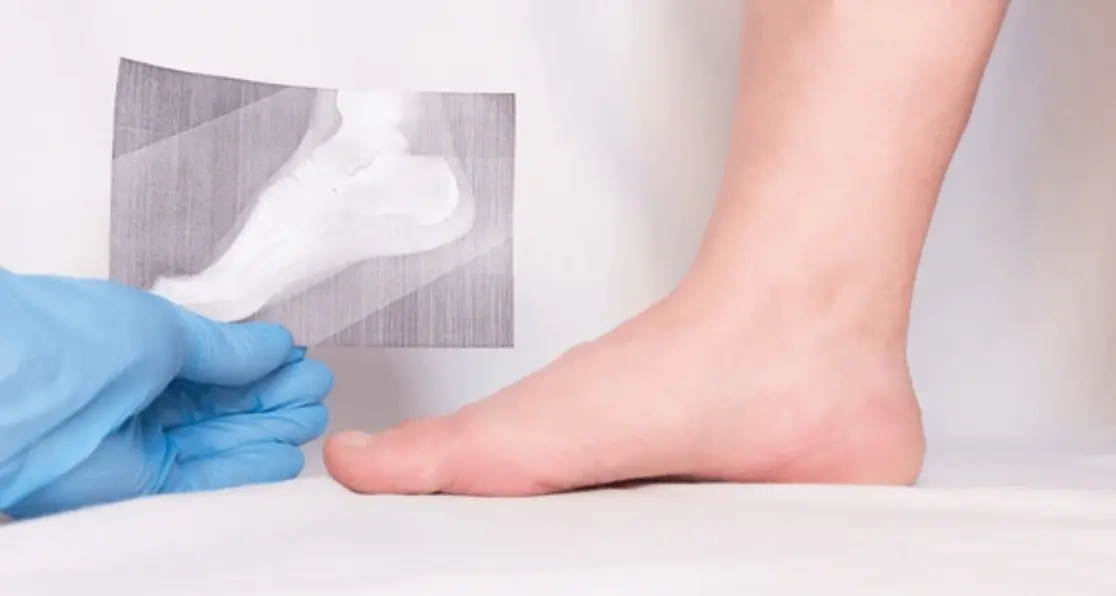
Heel spurs are calcium deposits that form bony protrusions on the underside of the heel bone, medically known as the calcaneus. These growths develop gradually over time, typically as a response to chronic stress, repeated strain on foot muscles and ligaments, or persistent inflammation of the plantar fascia—the thick band of tissue connecting your heel to your toes. Calcaneal spur surgery represents a viable treatment option when conservative measures fail to provide relief. Heel spur surgery involves removing the existing spur and, in many cases, releasing part of the plantar fascia to reduce tension and prevent future complications. Research indicates that this surgical approach achieves favorable outcomes in the majority of patients, with success rates ranging from 74% to 93.4%.
Can Bone Spurs Grow Back After Surgery?
The straightforward answer is yes—heel spurs can potentially return after surgery, though this occurrence is relatively rare. Studies examining long-term outcomes reveal important insights about bone spur recurrence. Research on cervical osteophytes demonstrated that all patients developed some recurrent bone formation following surgical resection, with an average growth rate of approximately 1 millimeter per year.
Heel spurs dependence
However, the recurrence of heel spurs specifically depends on multiple factors. A retrospective study of 120 patients who underwent calcaneal spur excision reported no recurrences during the follow-up period, suggesting that complete surgical removal combined with addressing underlying causes significantly reduces recurrence risk. It’s important to note that even when spurs regrow radiographically, many patients remain asymptomatic.
Why Do Bone Spurs Grow Back?
Understanding why bone spurs return after surgery is crucial for preventing recurrence. Several factors contribute to the reformation of heel spurs following surgical removal.
Biomechanical Issues Remain Unaddressed
Poor foot mechanics represent the primary reason heel spurs develop initially and why they may return post-surgery. When you have issues with your gait, flat feet, high arches, or structural abnormalities in foot alignment, excessive strain continues to stress the plantar fascia attachment at the heel bone. This ongoing mechanical stress signals your body to deposit calcium at the site, potentially forming new spurs. Patients who do not address biomechanical issues with custom orthotics, proper footwear, or gait correction remain at higher risk for spur reformation. The body essentially attempts to stabilize and support the damaged tissue by creating additional bone—a protective mechanism that can work against long-term healing if the root cause persists.
Incomplete Surgical Removal
Heel spur surgery requires the complete removal of the bony growth. If any portion of the spur remains behind, it can continue growing post-operatively. This underscores the importance of working with a skilled, experienced surgeon who can ensure thorough removal while minimizing tissue damage. Additionally, surgical technique matters significantly. When bone is invaded or injured during surgery, it doesn’t just heal—it can sometimes overgrow or lay down excess calcium. Surgeons who create a slightly concave area rather than leaving a flat surface help prevent calcium buildup that might appear as spur regrowth.
Persistent Inflammation and Scar Tissue Formation
Scar tissue naturally forms after surgery as your body’s healing response to incisions and tissue manipulation. While some scar formation is normal, excessive scar tissue can cause unwanted symptoms, including pain and discomfort. The resulting strain and stress can potentially contribute to new heel spur development. Traditional open surgical approaches carry a higher risk of problematic scar tissue formation compared to minimally invasive techniques. Patients who underwent conventional heel spur procedures often experienced thickened scar areas that could be as painful as the original condition.
Underlying Medical Conditions
Certain systemic conditions increase the likelihood of bone spur formation and recurrence. Metabolic conditions, including diffuse idiopathic skeletal hyperostosis (DISH), rheumatoid arthritis, and other inflammatory diseases, can promote osteophyte development. Patients with these conditions require continued management to reduce recurrence risk.
Recovery From Bone Spur Surgery: What to Expect
Understanding the recovery from bone spur surgery timeline helps set realistic expectations and ensures you follow proper protocols for optimal healing.
Immediate Post-Operative Period (Days 1-7)
The first few days following bone spur heel surgery are typically the most uncomfortable. You’ll experience swelling, pain, and limited mobility. During this initial phase, treatment focuses on rest, ice application, compression, and elevation—the RICE method. Your surgeon will provide pain medications and detailed wound care instructions. You’ll likely wear a surgical boot, cast, or walking boot for immobilization and protection. Weight-bearing recommendations vary depending on your specific procedure, but many surgeons allow protected weight-bearing from day one with minimally invasive techniques.
Early Recovery Phase (Weeks 1-6)
Between one and three weeks after surgery, stitches are typically removed, and you can gradually increase activities. Most individuals require a walking boot during this phase, with physical therapy often starting to improve range of motion, reduce stiffness, and begin strengthening exercises.
How long are you off work after bone spur surgery?
This depends significantly on your occupation. If you have a sedentary desk job, you might return to work within one to two weeks. However, jobs requiring prolonged standing or walking typically necessitate four to six weeks of recovery time before returning to work.
By six weeks post-operatively, most patients experience significant improvement and can resume many normal activities. However, complete healing takes longer.
Long-Term Recovery (Months 3-12)
Full recovery from bone spur surgery typically ranges from three to six months, though some patients require up to a year for complete healing. By three months, most activities can be resumed, though some swelling may persist for six months or longer. Physical therapy plays a crucial role throughout the recovery process, incorporating stretching exercises, strengthening protocols, and gait training to restore normal walking patterns. These interventions help prevent recurrence by addressing underlying biomechanical factors that contributed to the original spur formation.
Preventing Heel Spur Recurrence After Surgery
Taking proactive measures significantly reduces the likelihood that bone spurs will grow back after surgical treatment.
Follow Post-Operative Instructions Carefully
Adhering strictly to your surgeon’s post-operative guidelines represents the most important factor in successful recovery. This includes proper wound care, appropriate rest periods, gradual return to weight-bearing activities, and attending all follow-up appointments so your surgeon can monitor healing progress. Rushing recovery by returning to normal activities too quickly can compromise healing and increase recurrence risk. Patience during the recovery phase pays dividends for long-term outcomes.
Invest in Proper Footwear
Wearing appropriate, supportive shoes makes a tremendous difference in preventing heel spur recurrence. Choose footwear with proper arch support, adequate cushioning, and shock absorption capabilities. Avoid high heels and walking barefoot, particularly on hard surfaces, as these practices exacerbate heel stress. Podiatrists often recommend replacing worn-out shoes regularly and selecting shoes appropriate for your specific foot structure and activity level.
Use Custom Orthotics
Custom orthotics provide precise support tailored to your unique foot structure and biomechanical needs. Unlike generic over-the-counter insoles designed for an “average” foot, custom orthotics are created from detailed molds or 3D scans of your feet, ensuring support exactly where needed. Research demonstrates that patients receiving proper foot support through custom orthotics typically recover faster and experience lower rates of recurring plantar fasciitis and heel spurs compared to those without orthotic support. Custom orthotics correct underlying biomechanical issues—addressing root causes rather than merely masking symptoms.
Maintain a Healthy Weight
Excess body weight places additional pressure on your feet and heels, increasing the likelihood of heel spur formation and recurrence. Each extra pound you carry multiplies the stress on your feet during walking and standing. Maintaining a healthy weight through balanced nutrition and regular exercise reduces this pressure and decreases heel spur risk.
Perform Regular Stretching and Strengthening Exercises
Consistent stretching of the calf muscles, Achilles tendon, and plantar fascia helps reduce tension and prevent chronic strain that can lead to spur formation. Effective exercises include calf stretches, towel stretches, and toe curls that strengthen foot muscles and improve flexibility. Physical therapy exercises not only accelerate healing but also help prevent recurrence by improving biomechanics and reducing excessive stress on the heel attachment points. Making these exercises part of your daily routine provides long-term protection against the recurrence of heel spurs.
Address Underlying Health Conditions
If you have conditions like diabetes, inflammatory diseases, or metabolic disorders that increase bone spur risk, working with your healthcare team to manage these conditions effectively is essential. Controlling systemic inflammation and maintaining overall health supports bone and joint wellness.
Minimally Invasive Heel Spur Surgery: Modern Advancements
Advancements in surgical techniques have significantly improved outcomes and reduced complication rates for heel spur surgery. Minimally invasive approaches, including endoscopic plantar fasciotomy, offer several advantages over traditional open procedures.
- These modern techniques involve making tiny incisions—often just 2-5 millimeters—through which specialized instruments and cameras are inserted. The surgeon can visualize the plantar fascia and heel spur on a monitor, allowing precise surgical release and spur removal with minimal tissue trauma.
- Benefits of minimally invasive calcaneal spur surgery include shorter recovery periods, immediate weight-bearing capability in many cases, significantly less scarring, reduced risk of nerve damage and permanent numbness, and lower complication rates compared to traditional open surgery. Studies report success rates of approximately 87-90% for endoscopic techniques.
When to Seek Medical Attention
Even after successful surgery, you should consult your podiatrist if you experience persistent or recurring heel pain, signs of infection, including redness, warmth, or drainage from surgical sites, inability to bear weight on your heel, or new symptoms that concern you. Early intervention can address complications before they become serious and help determine whether symptoms represent normal healing, scar tissue formation, nerve issues, or actual spur recurrence.
Conclusion: Do Bone Spurs Grow Back After Surgery?
While heel spurs can potentially return after surgical removal, recurrence is relatively uncommon when the procedure is performed correctly and patients address underlying biomechanical factors. The key to preventing heel spur recurrence lies in comprehensive treatment that goes beyond simply removing the bony growth. Success requires addressing root causes through proper footwear, custom orthotics when needed, maintaining healthy body weight, performing regular foot and calf stretches, and following your surgeon’s post-operative instructions meticulously. Modern minimally invasive surgical techniques have improved outcomes significantly, offering faster recovery times and lower complication rates.